LANGUAGE
 中文简体
中文简体 русский
 Français
 Español
 Português
 عربى
عربى
Content
- 1 Precision Servo Motor Cable Arrangement in Automatic Coiling Systems
- 2 Automated Error Detection and Predictive Maintenance Protocols
- 3
- 4 Material Compatibility and Packaging Versatility
- 5 Application Range Across Wire Types and Production Scenarios
- 6 Operational Efficiency and Quality Enhancement Metrics
Precision Servo Motor Cable Arrangement in Automatic Coiling Systems
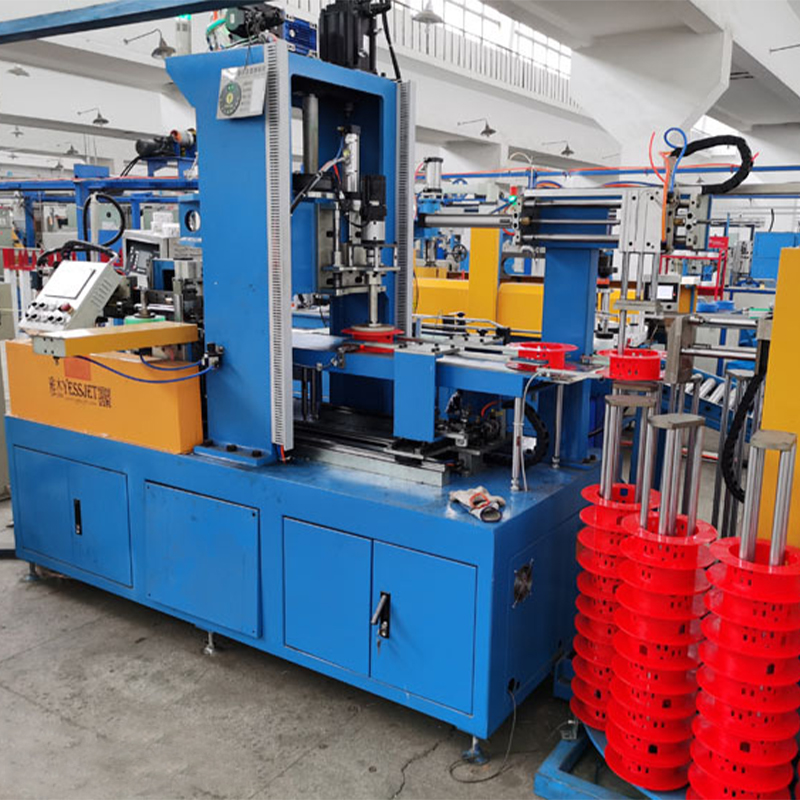
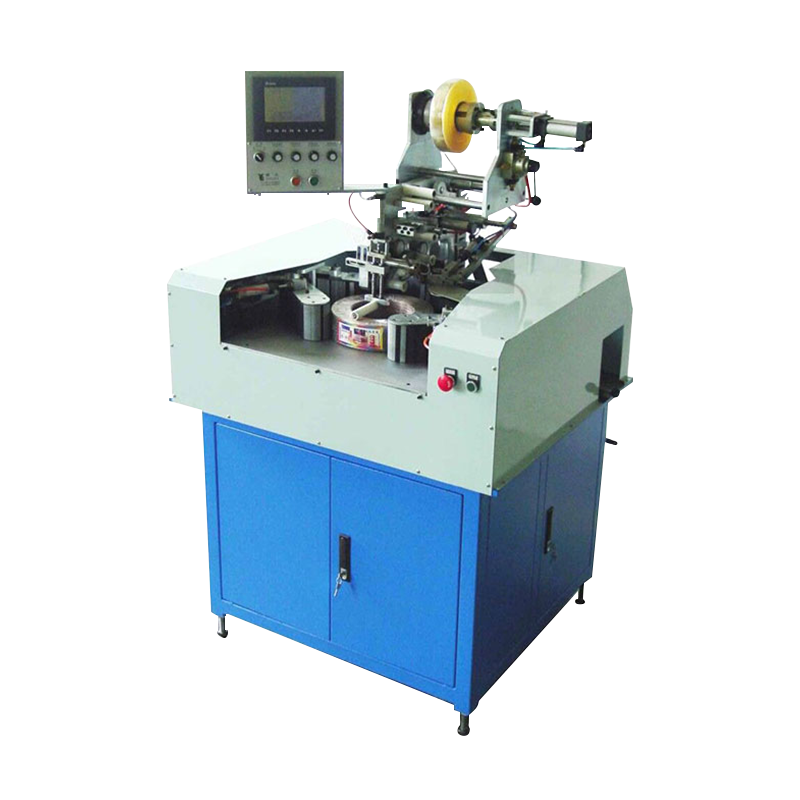
The servo motor cable arrangement system represents a fundamental advancement in wire packaging technology, replacing traditional mechanical cam-driven traversing mechanisms with digitally controlled motion profiles. Unlike fixed-ratio gear systems that limit adjustment flexibility, servo-driven traversing units enable programmable pitch control, variable oscillation speeds, and dynamic acceleration curves tailored to specific wire diameters and coil densities. When processing fine-gauge UL electronic wires or multi-strand BVR conductors, the system automatically calculates optimal layering patterns to prevent wire crossover, tangling, or compression damage during high-speed winding cycles. Real-time feedback from rotary encoders ensures that each wire placement maintains consistent tension and positional accuracy within plus or minus zero point one millimeters, producing uniformly stacked coils that maximize spool capacity and minimize material waste. This precision arrangement capability directly supports downstream automation processes, as neatly wound coils feed reliably into robotic palletizing arms or automated boxing stations without requiring manual repositioning or quality inspection interventions.
Integration of the servo cable arrangement system with the primary winding spindle creates a synchronized motion architecture that adapts to varying wire stiffness and elasticity characteristics. For flexible RVV jacketed cables, the controller reduces traversing speed during direction reversals to prevent loop formation, while stiffer BV solid conductors benefit from higher oscillation frequencies that maintain tight coil geometry without inducing memory curl. Operators can store multiple preset programs for different product specifications, enabling rapid changeovers between wire types without mechanical recalibration. This programmable flexibility transforms the Coiling Machine from a single-purpose winding device into a versatile production asset capable of handling diverse product portfolios within the same operational shift.
Automated Error Detection and Predictive Maintenance Protocols
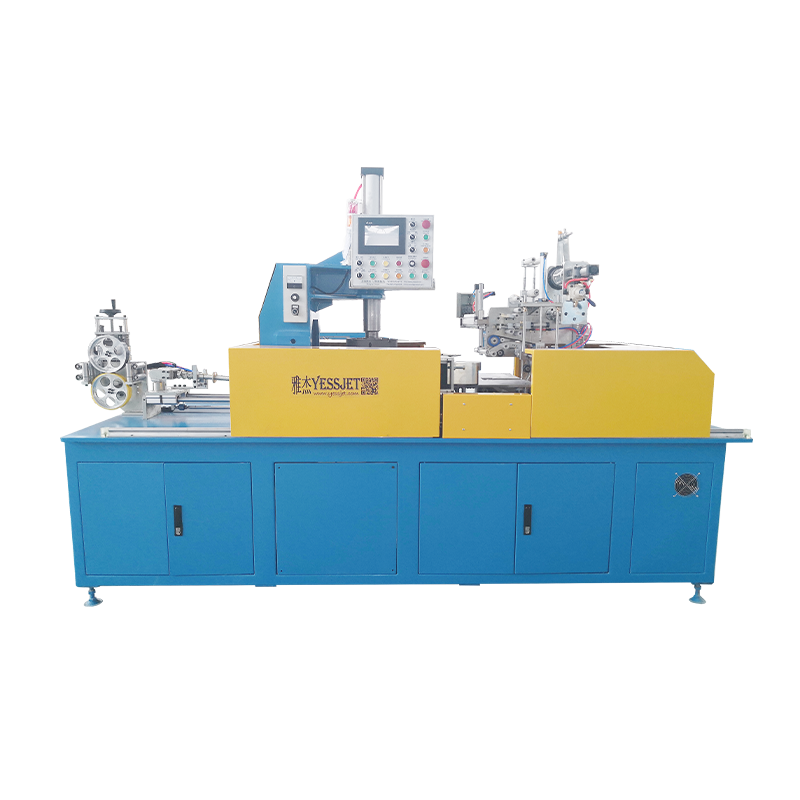
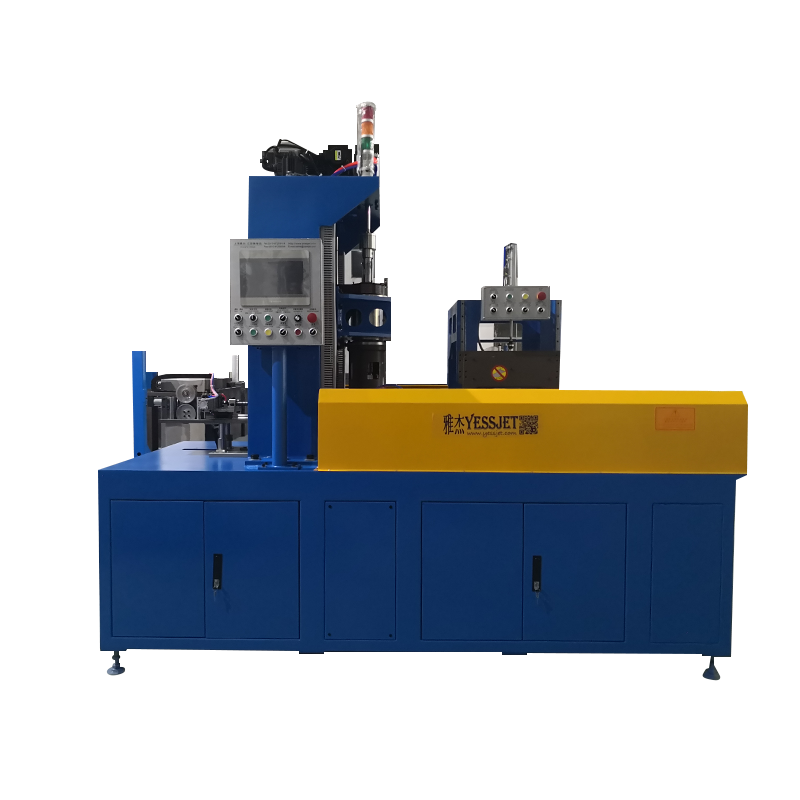
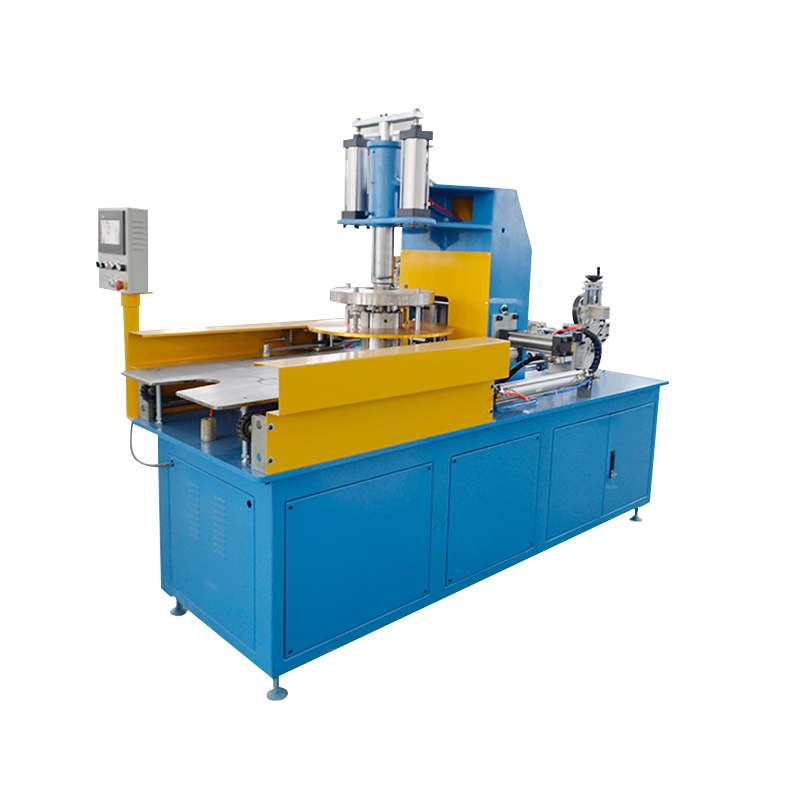
Modern Automatic Coiling Machine architectures incorporate multi-sensor diagnostic networks that continuously monitor mechanical performance, electrical parameters, and material flow conditions to prevent production defects and equipment damage. Proximity sensors positioned at critical wire guide points detect abnormal tension spikes or slack conditions that indicate pay-off reel depletion, wire breakage, or guide roller misalignment. When an anomaly occurs, the control system immediately halts spindle rotation, activates visual and audible alarms, and displays specific fault codes on the human-machine interface to accelerate troubleshooting. Advanced implementations integrate vibration analysis modules on bearing housings and gearboxes, identifying early-stage mechanical wear through frequency spectrum analysis before catastrophic failure disrupts production schedules. This proactive error detection approach reduces unplanned downtime by over sixty percent compared to reactive maintenance strategies, while preserving product quality by preventing defective coils from advancing to packaging stages.
Diagnostic Response Framework
| Fault Category | Detection Method | Operator Response |
|---|---|---|
| Wire Breakage | Optical sensor interruption | Re-thread wire guide path and reset tension calibration |
| Overload Condition | Motor current monitoring | Inspect spindle bearings and verify lubrication levels |
| Packaging Material Depletion | Roll diameter encoder feedback | Replace PP tape or woven tape supply reel |
| Servo Position Deviation | Encoder feedback comparison | Recalibrate traversing axis home position and check belt tension |
Material Compatibility and Packaging Versatility
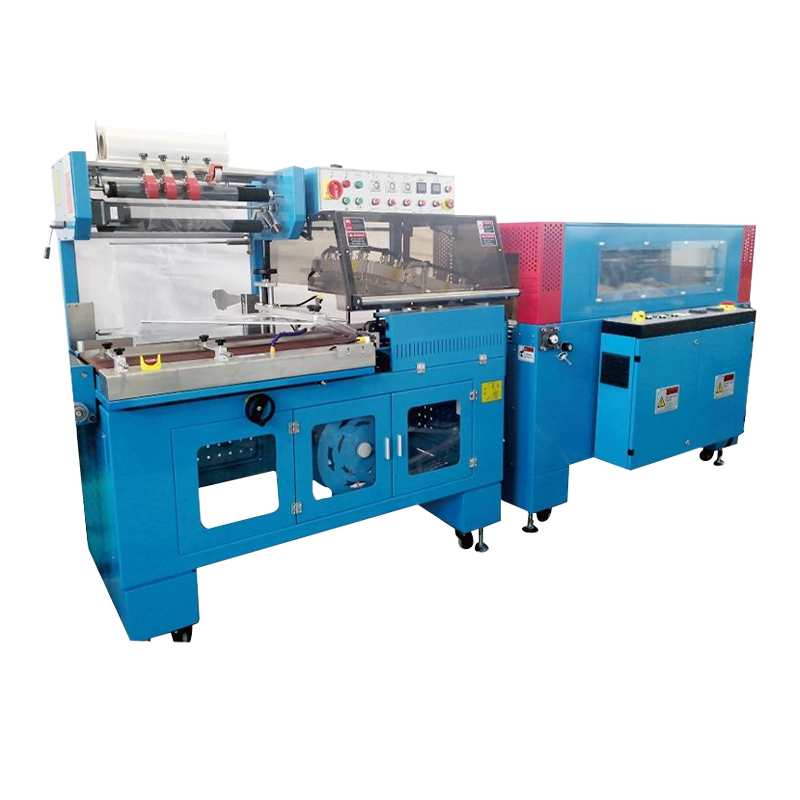
The Automatic Coiling Machine accommodates diverse packaging materials to meet varying product protection, branding, and logistical requirements across global markets. Polypropylene tape provides moisture resistance and cost-effective sealing for standard indoor wiring applications, while kraft paper tape offers biodegradable packaging solutions for environmentally conscious manufacturers targeting European regulatory standards. Woven tape formulations deliver superior tensile strength and abrasion resistance for heavy-gauge power cables or products requiring extended outdoor storage prior to installation. The wrapping mechanism features adjustable tension control and overlapping ratio settings that ensure consistent tape application regardless of material thickness or elasticity. For premium product lines, operators can integrate custom-printed tapes displaying brand logos, technical specifications, or safety certifications directly onto the coil exterior, transforming functional packaging into a marketing asset. This material flexibility enables manufacturers to optimize packaging costs while maintaining product integrity throughout complex supply chains involving multiple handling stages and transportation modes.
Application Range Across Wire Types and Production Scenarios
The Coiling Machine demonstrates exceptional adaptability across an extensive spectrum of wire and cable products, from delicate UL electronic wires used in consumer electronics to robust flower wires deployed in architectural lighting installations. BV solid conductor cables benefit from precise tension control that prevents insulation deformation during high-speed winding, while multi-strand BVR wires require gentle handling protocols that maintain strand integrity without inducing work hardening. RVV multi-core jacketed cables present unique challenges due to their larger diameters and reduced flexibility, necessitating adjustable coil diameter settings and reinforced spindle chucks that accommodate varying weight distributions. The system's programmable logic controller stores distinct winding parameters for each product type, including optimal spindle speed, traversing pitch, tape overlap percentage, and final coil diameter, enabling seamless transitions between production batches without manual recalibration. This versatility supports manufacturers pursuing diversified product portfolios, allowing a single Automatic Coiling Machine to service multiple market segments while minimizing capital investment and floor space requirements.
Operational Efficiency and Quality Enhancement Metrics
Implementing an Automated Coiling Machine delivers measurable improvements in production throughput, labor utilization, and product consistency compared to manual or semi-automatic winding methods. High-speed servo-driven systems achieve winding rates exceeding two hundred coils per hour for standard BV wire configurations, representing a threefold increase over traditional hand-cranking operations. The elimination of manual wrapping tasks reduces operator fatigue and repetitive strain injuries while reallocating skilled labor to higher-value activities such as quality inspection, process optimization, and equipment maintenance. Consistent servo-controlled wire placement produces uniformly dense coils that maximize transportation efficiency, allowing more product units per pallet and reducing shipping costs by up to twenty-five percent. Additionally, standardized coil geometry improves compatibility with automated unpacking systems at customer facilities, enhancing the end-to-end supply chain experience and strengthening manufacturer reputation for reliability and professionalism.
- Implement daily calibration checks for servo positioning accuracy and tension sensor response to maintain consistent coil quality across extended production runs and varying environmental conditions.
- Establish preventive maintenance schedules for spindle bearings, guide rollers, and tape cutting mechanisms to prevent unexpected downtime and preserve dimensional precision in high-volume manufacturing environments.
- Train operators on diagnostic interface navigation and fault code interpretation to accelerate troubleshooting response times and minimize production interruptions during error detection events.
- Document optimal winding parameters for each wire type in a centralized production database, enabling rapid program retrieval and reducing setup errors during frequent product changeovers.