LANGUAGE
 中文简体
中文简体 русский
 Français
 Español
 Português
 عربى
عربى
Content
Cable Storage Racks and Material Organization Systems
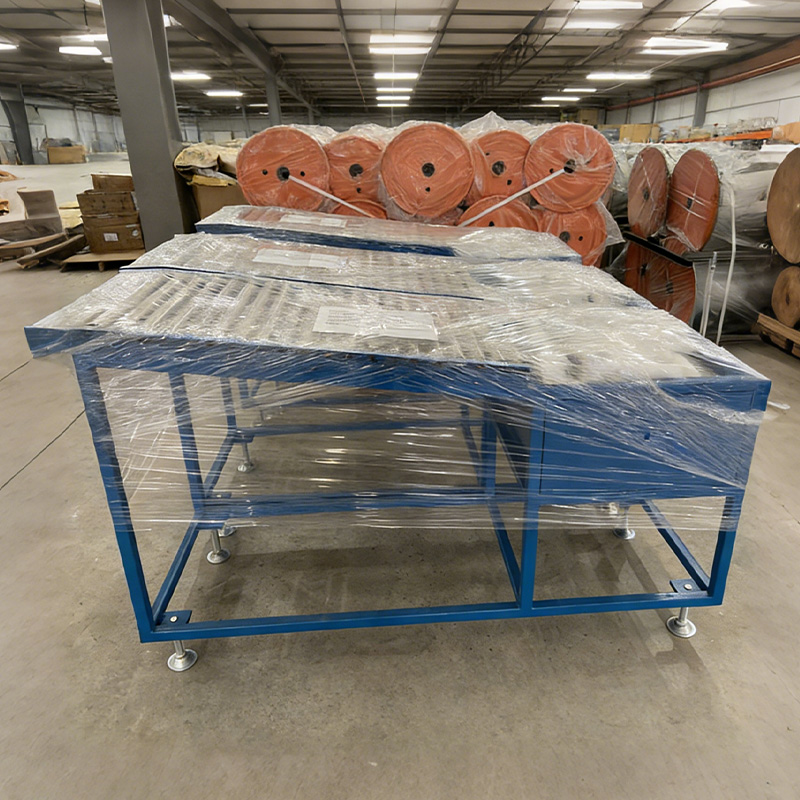
Effective raw material management forms the foundation of streamlined cable manufacturing, where disorganized inventory directly contributes to production delays, material damage, and increased labor costs. Cable storage racks within the Wire Cable Production Accessory Equipment suite utilize modular, adjustable shelving configurations designed to accommodate varying reel diameters, weights, and core materials without compromising structural integrity. Heavy-duty steel frames with powder-coated finishes resist corrosion from industrial environments while supporting loads exceeding five hundred kilograms per tier. Integrated rotation mechanisms allow operators to access specific cable reels without manually repositioning adjacent inventory, reducing retrieval time by up to forty percent compared to static stacking methods. For facilities managing multiple cable types simultaneously, color-coded labeling zones and barcode scanning integration enable rapid inventory verification and automated reorder triggers when stock levels fall below predefined thresholds. This systematic organization prevents tangling during pay-off operations, minimizes insulation abrasion from improper handling, and ensures that production lines receive correctly specified materials without time-consuming verification steps.
Automated Sticker Label Feeders for Traceability Enhancement
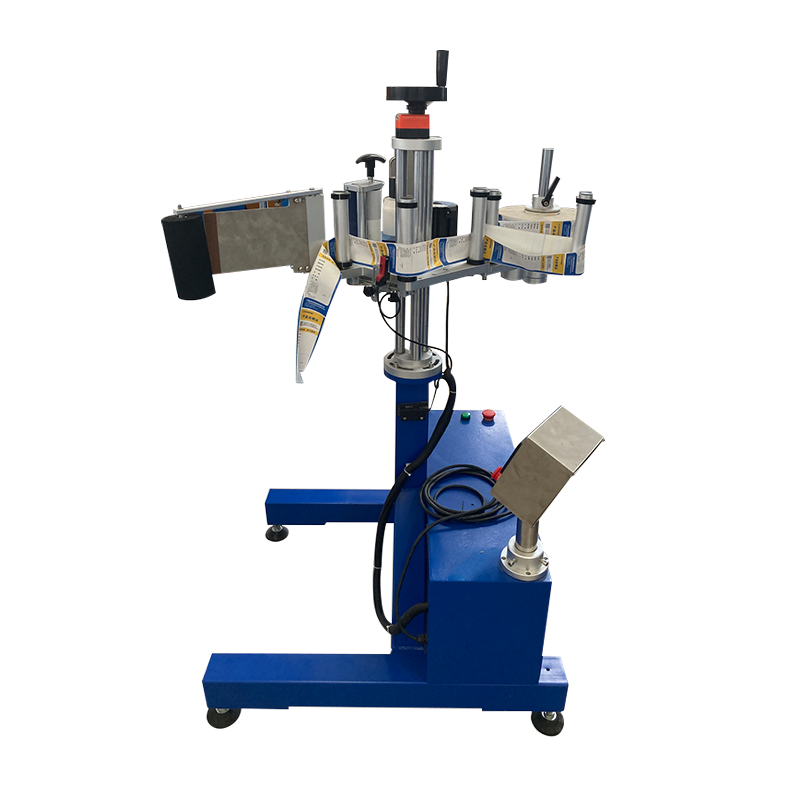
Product identification and traceability represent critical requirements in modern cable manufacturing, particularly for industries subject to regulatory compliance, warranty tracking, and quality audit protocols. Sticker label feeders integrated into Wire Cable Production Accessory Equipment automate the precise application of identification tags containing batch numbers, production dates, technical specifications, and certification marks. These systems utilize servo-driven dispensing mechanisms that synchronize label placement with cable movement speed, ensuring consistent positioning regardless of line velocity fluctuations. Advanced models incorporate vision verification systems that scan each applied label for readability, alignment accuracy, and adhesive integrity, automatically rejecting defective applications before cables advance to packaging stages. For manufacturers producing custom or low-volume cable variants, programmable label templates enable rapid switching between product specifications without manual reconfiguration. This automation eliminates human error associated with hand-applied labels, accelerates throughput by removing manual labeling bottlenecks, and creates a digital audit trail linking each cable unit to its complete production history for enhanced quality control and customer service responsiveness.
Conveyor Belt Systems for Continuous Production Flow
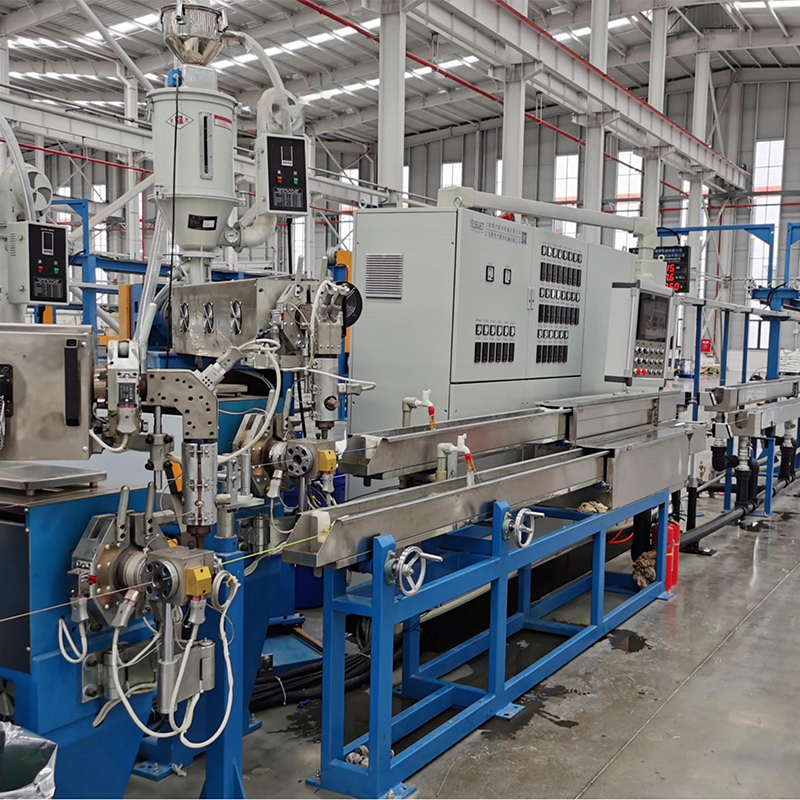
Seamless material transport between processing stages eliminates costly bottlenecks and maintains consistent production rhythm across complex cable manufacturing workflows. Conveyor belt systems within Wire Cable Production Accessory Equipment feature modular design architectures that adapt to facility layouts, equipment spacing, and product handling requirements. Variable frequency drives enable precise speed synchronization with upstream extrusion lines and downstream coiling stations, preventing tension spikes or slack accumulation that could damage sensitive cable constructions. For heavy-gauge power cables or large-diameter armored products, reinforced belt surfaces with high-friction coatings prevent slippage during incline or decline transitions, while adjustable side guides maintain lateral alignment without compressing insulation layers. Integration with programmable logic controllers allows conveyor systems to respond dynamically to production signals, automatically pausing during equipment maintenance, accelerating during high-demand periods, or rerouting products to alternative processing paths when primary lines experience downtime. This intelligent transport infrastructure reduces manual material handling labor, minimizes product damage from improper lifting or dragging, and enables scalable production capacity without requiring complete facility reconfiguration.
Conveyor System Configuration Options
| Application Scenario | Recommended Belt Type | Key Feature |
|---|---|---|
| Light-Gauge Electronic Wires | Smooth PVC with static dissipation | Prevents electrostatic damage to sensitive conductors |
| Medium-Diameter Power Cables | Textured rubber with high traction | Prevents slippage during incline transport |
| Heavy Armored Cables | Steel-reinforced modular chain | Supports extreme loads without deformation |
| Temperature-Sensitive Materials | Heat-resistant silicone composite | Maintains integrity near extrusion cooling zones |
Wire Cable Tensile Control Systems and Tension Management
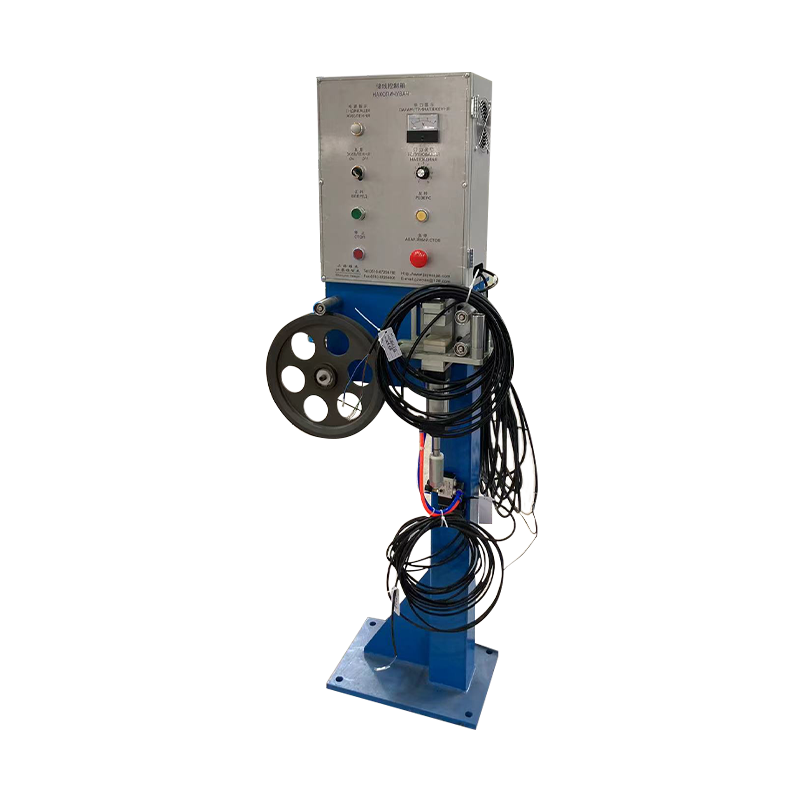
Maintaining precise tension throughout cable processing operations prevents insulation deformation, conductor stretching, and structural damage that compromise product performance and regulatory compliance. Wire cable tensile control systems within Wire Cable Production Accessory Equipment utilize closed-loop feedback architectures combining load cells, dancer arms, and servo brake mechanisms to maintain tension within plus or minus two percent of target values regardless of line speed variations or material elasticity changes. For delicate multi-strand conductors or thin-wall insulation applications, pneumatic tensioners provide gentle, responsive control that accommodates minor diameter fluctuations without inducing stress concentrations. Heavy-duty electromagnetic powder brakes handle high-tension requirements for armored cables or large-diameter power conductors, delivering consistent torque output even during rapid acceleration or deceleration cycles. Integration with central production monitoring systems enables real-time tension logging, automatic alarm triggers for out-of-specification conditions, and historical data analysis for process optimization. This precision tension management eliminates common defects such as ovality, jacket thinning, or conductor work-hardening, ensuring that every cable unit meets dimensional tolerances and mechanical performance standards required for demanding industrial applications.
Cable Coiling Heads and Finished Product Handling
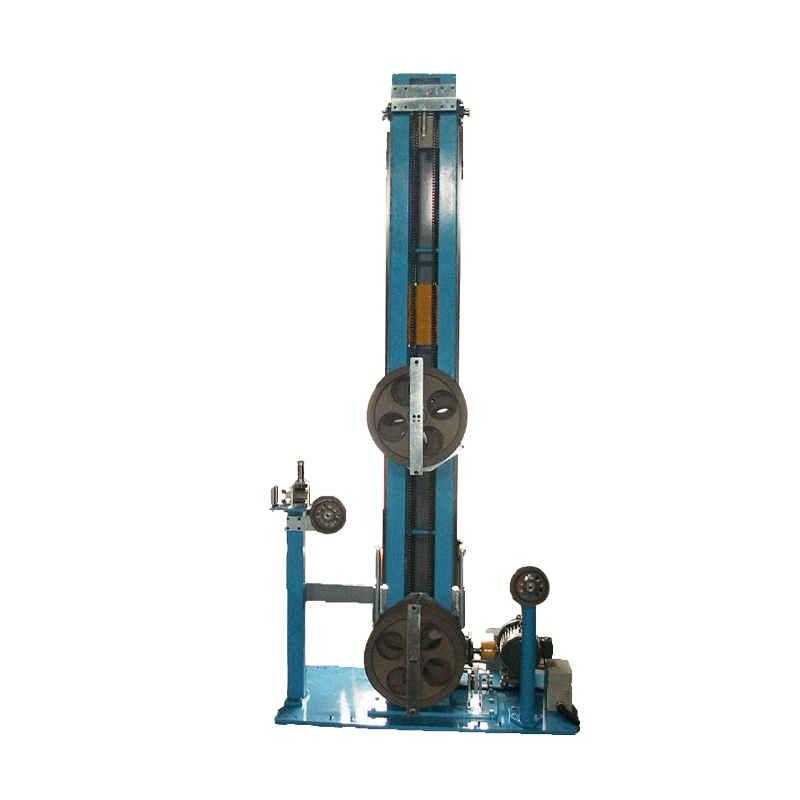
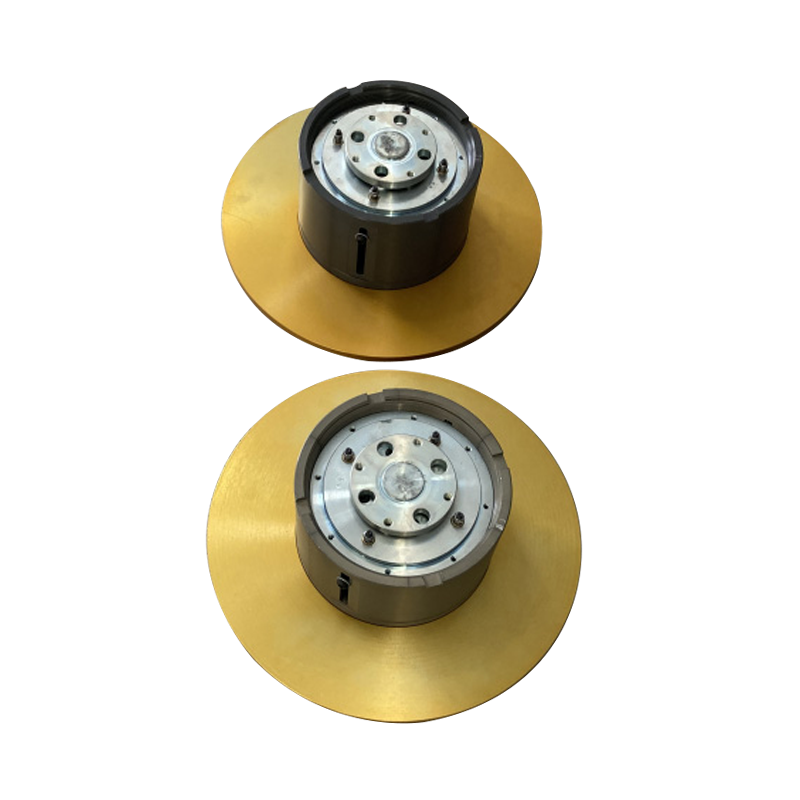
Efficient finished product management transforms completed cables into shipment-ready units while preserving quality and minimizing handling damage. Cable coiling heads integrated into Wire Cable Production Accessory Equipment feature programmable diameter control, adjustable layering patterns, and automated tie-off mechanisms that produce uniformly wound coils suitable for palletizing, boxing, or direct customer delivery. Servo-driven rotation systems synchronize with upstream line speeds to prevent tension spikes during coil initiation or completion phases, while adjustable arm geometries accommodate varying cable stiffness and minimum bend radius requirements. For high-volume production environments, quick-change chuck systems enable rapid transitions between coil diameters without tooling recalibration, supporting diverse product portfolios within minimal floor space. Advanced implementations incorporate vision-guided tie placement that secures coils at optimal intervals to prevent unwinding during transport while avoiding compression damage to sensitive insulation materials. This systematic finishing approach reduces manual labor requirements, accelerates order fulfillment cycles, and enhances customer satisfaction through consistent product presentation and reliable packaging integrity throughout complex supply chains.
- Conduct weekly calibration checks on tension load cells and servo positioning systems to maintain consistent performance across varying environmental conditions and production demands.
- Implement preventive maintenance schedules for conveyor belt tracking mechanisms, label feeder dispensing heads, and coiling chuck bearings to prevent unexpected downtime during critical production periods.
- Train operators on diagnostic interface navigation and fault code interpretation for all Wire Cable Production Accessory Equipment components to accelerate troubleshooting response times and minimize production interruptions.
- Document optimal configuration parameters for each cable type in a centralized production database, enabling rapid system setup and reducing configuration errors during frequent product changeovers.