

 LANGUAGE
 中文简体
中文简体 русский
 Français
 Español
 Português
 عربى
عربى
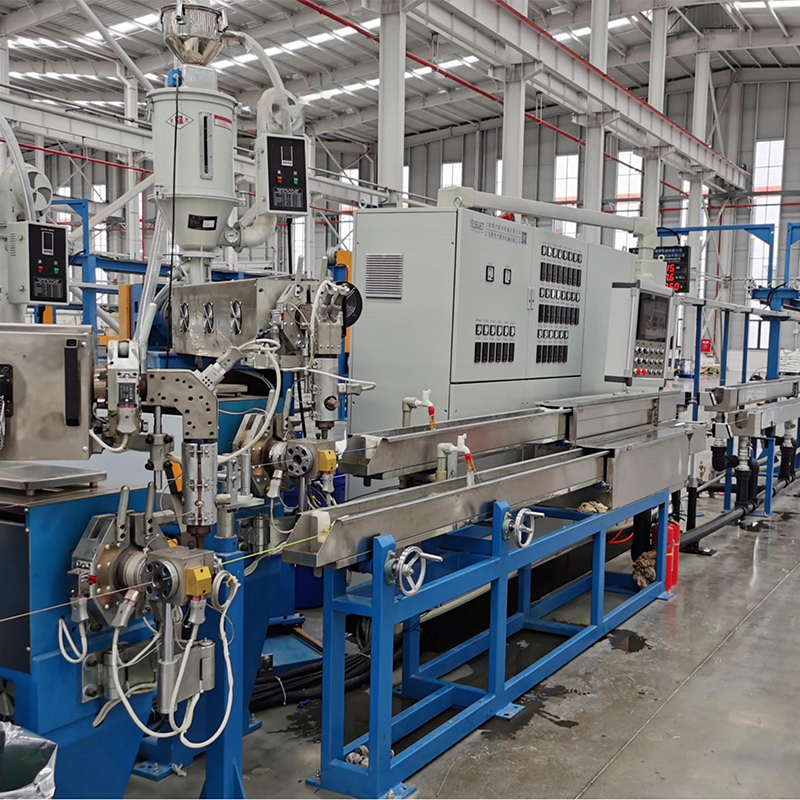
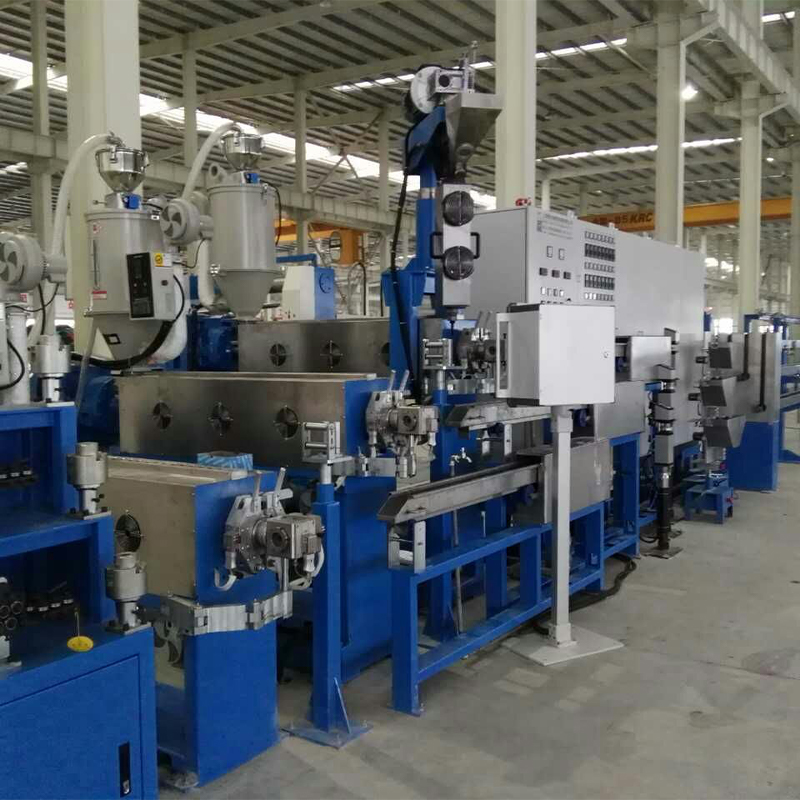
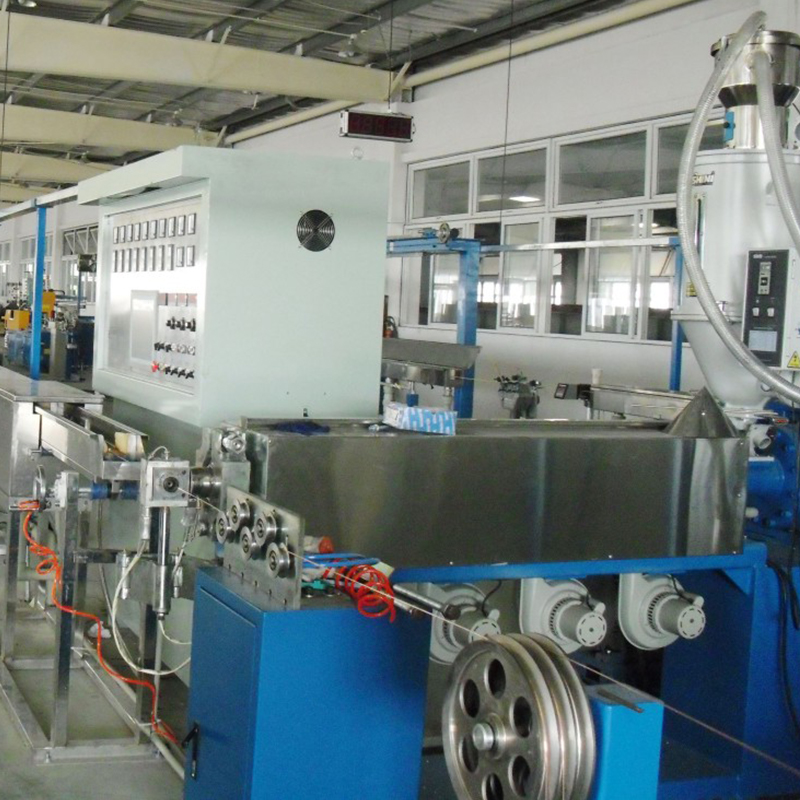
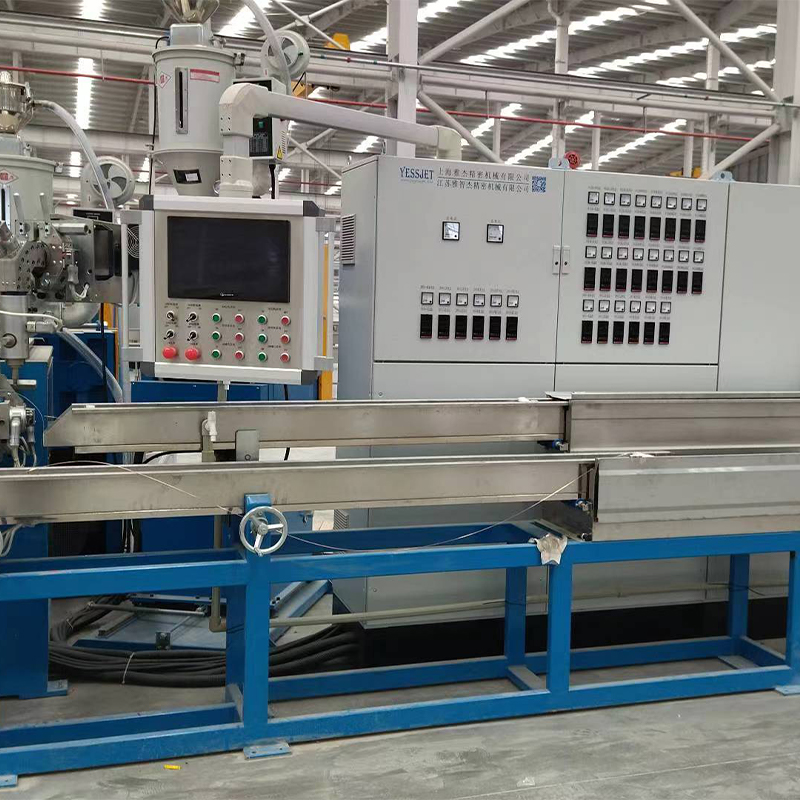
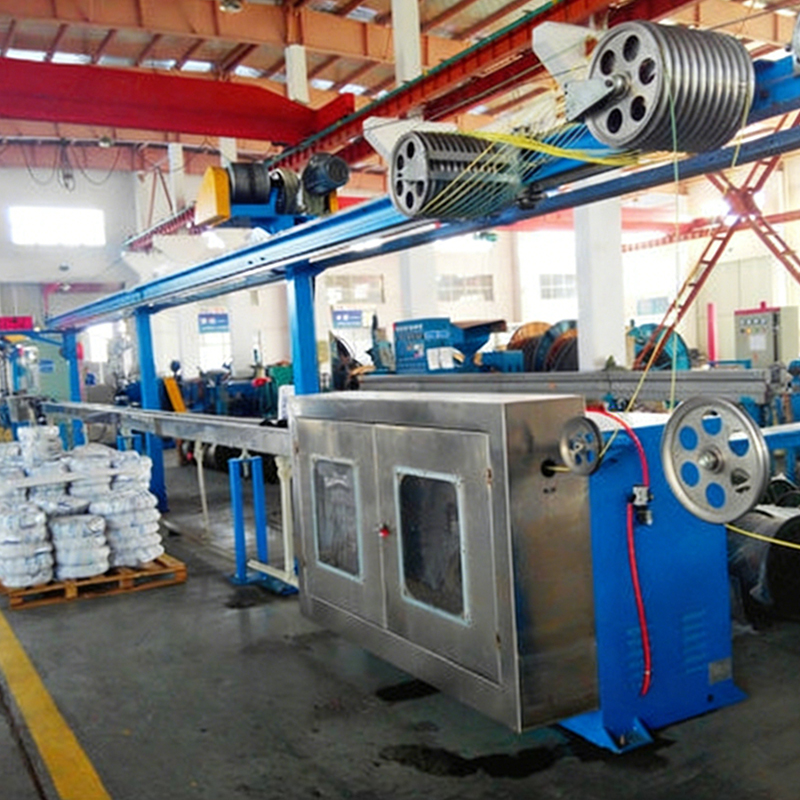
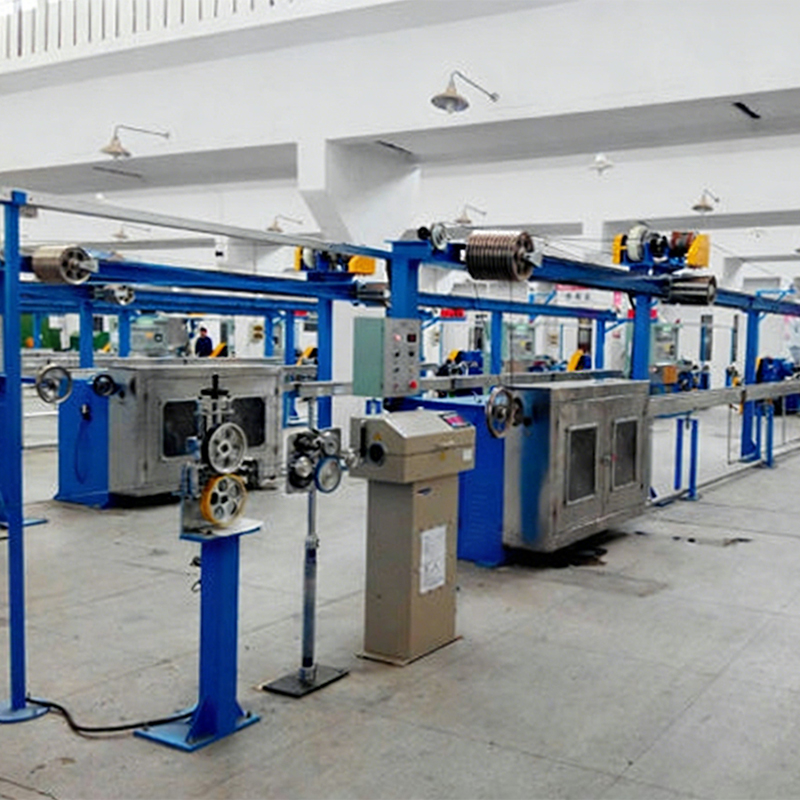
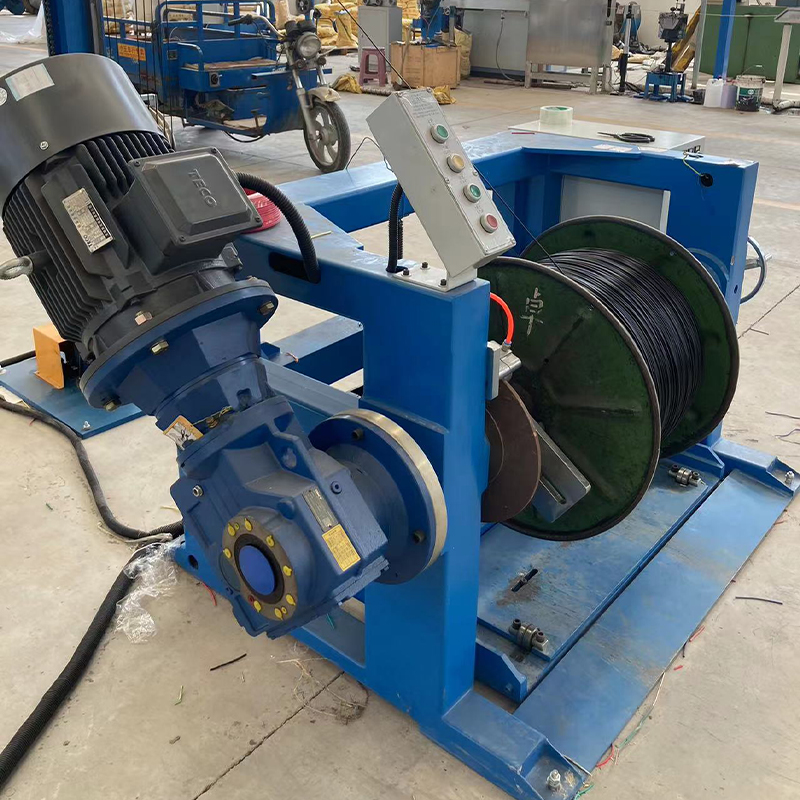
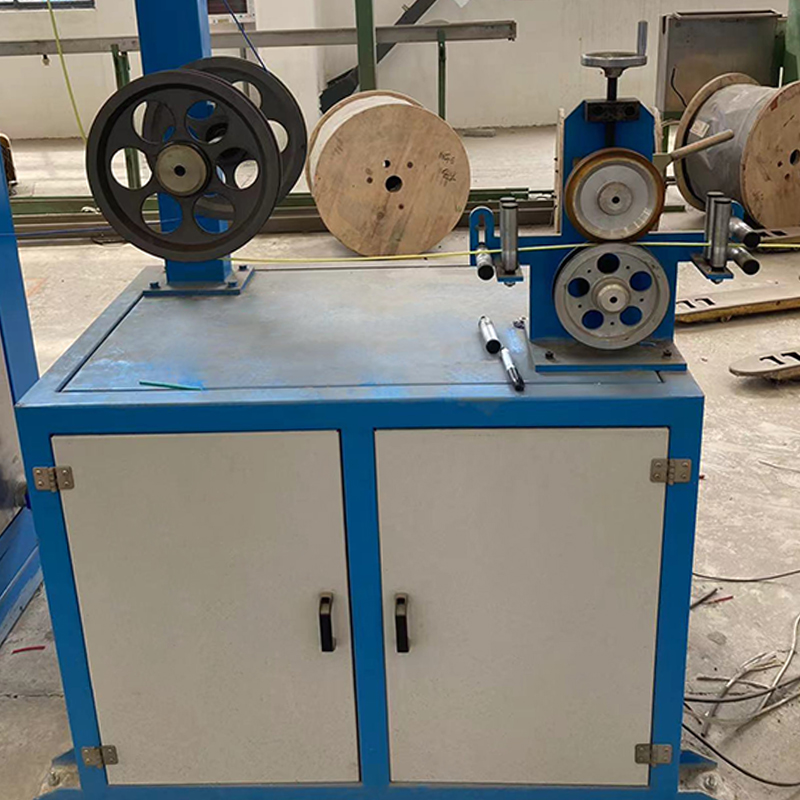
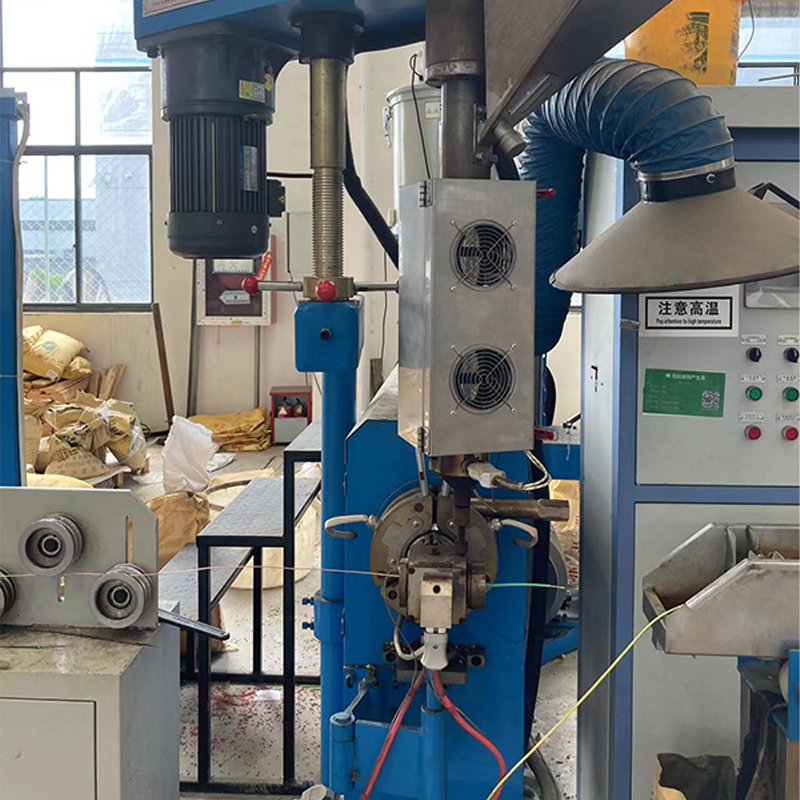
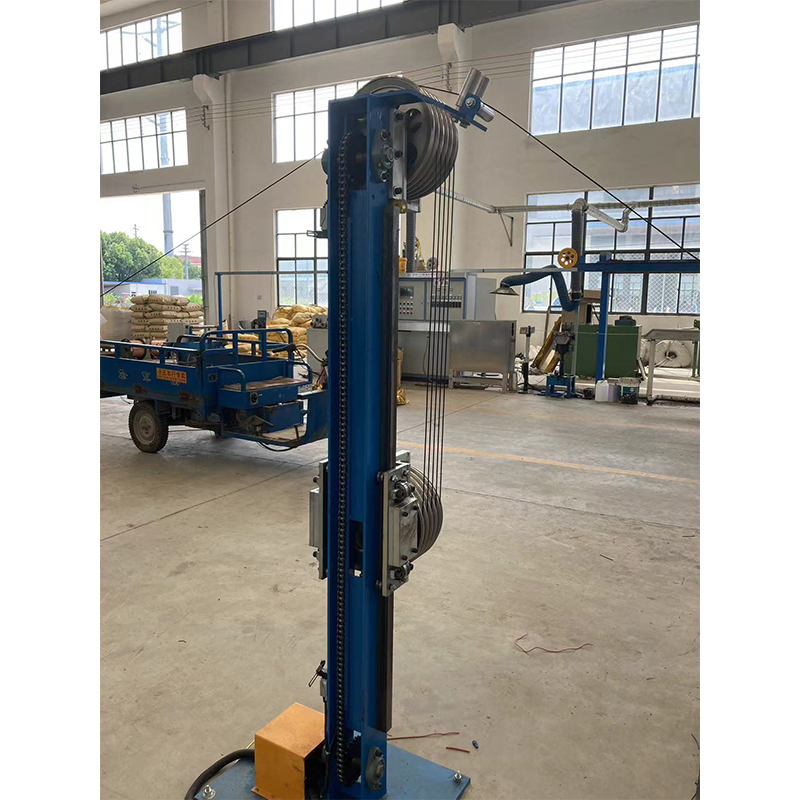
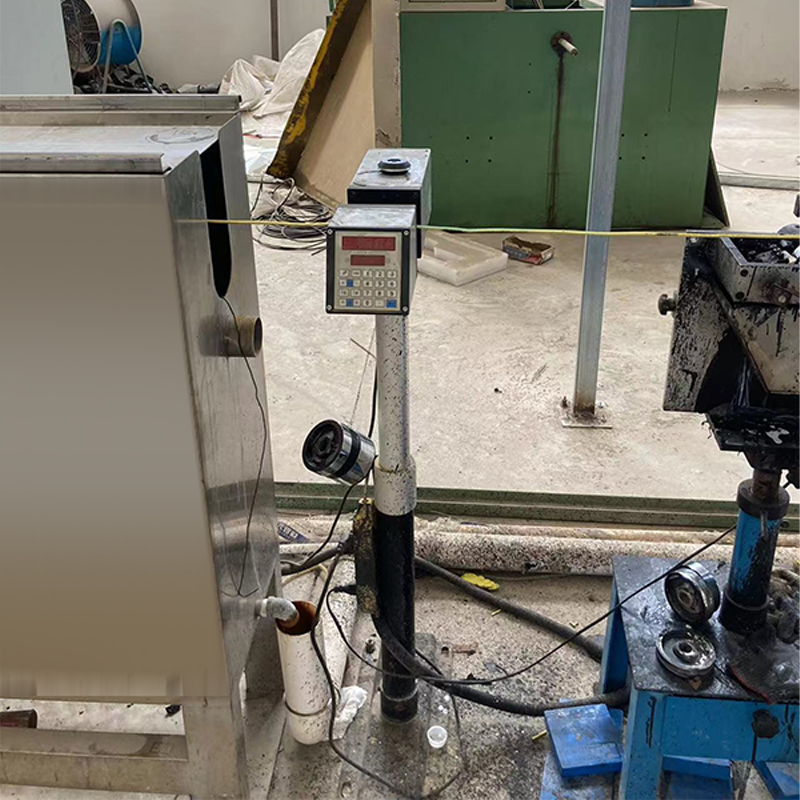
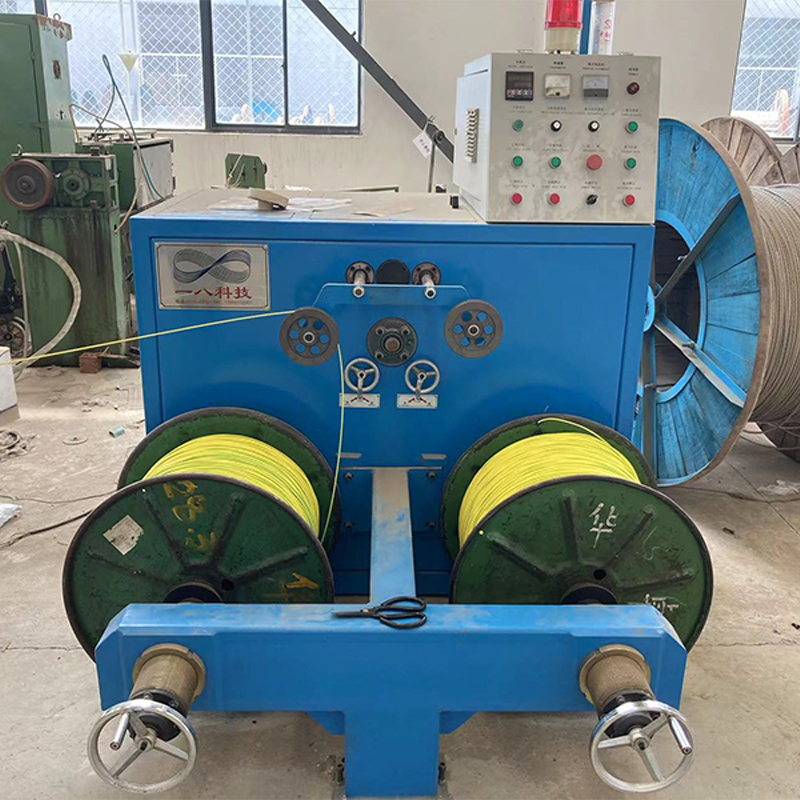
Wire And Cable Extrusion Line
Features
1. Barrel and Screw import from Taiwan with high extrude capacity.
2. Different type of plastic material could choose their own barrel and screw.EX: PVC, PE, LSNN, Teflon, and Nylon.
3. System circuit controlled by programmable controller(PLC).
4. Temperature controlled by logical tracer type controller(RKC:made in Japan) with SSR electric circuit,deviation±2℃ .
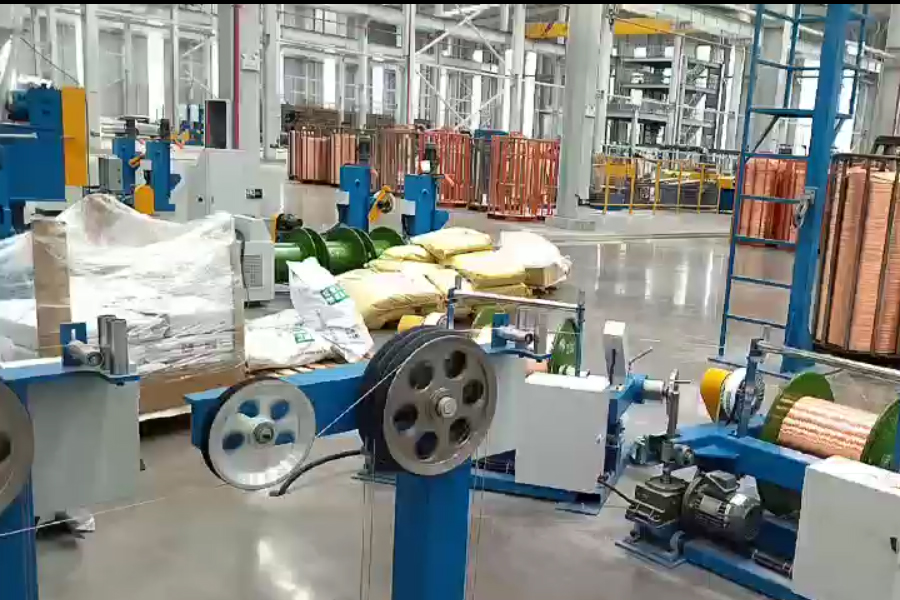
Wire And Cable Extrusion Line is an automated production system and an essential piece of equipment for manufacturing insulated or sheathed wires and cables.
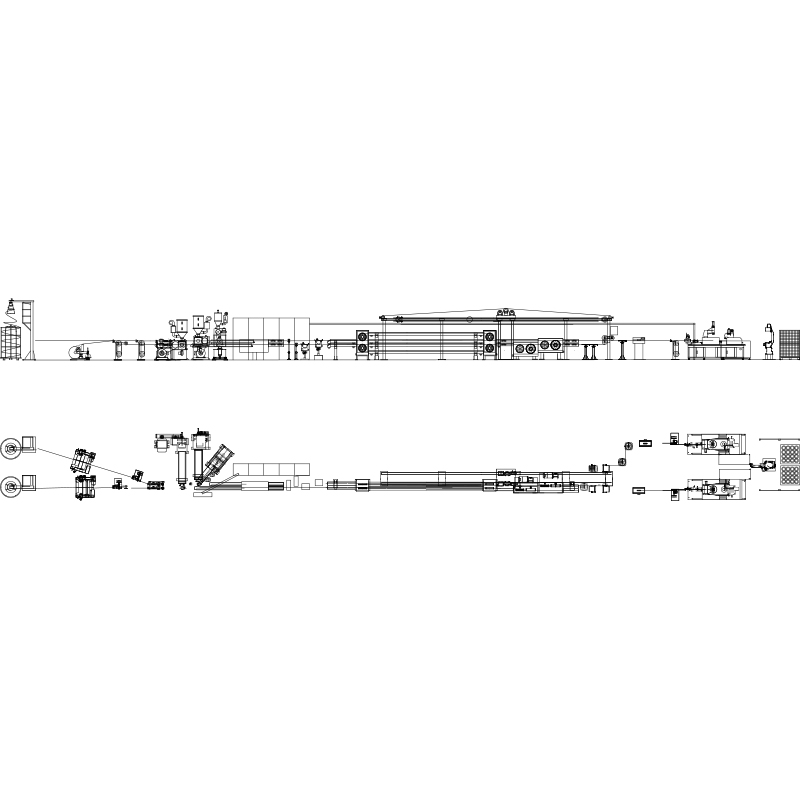
This production line consists of several key components arranged in sequence:
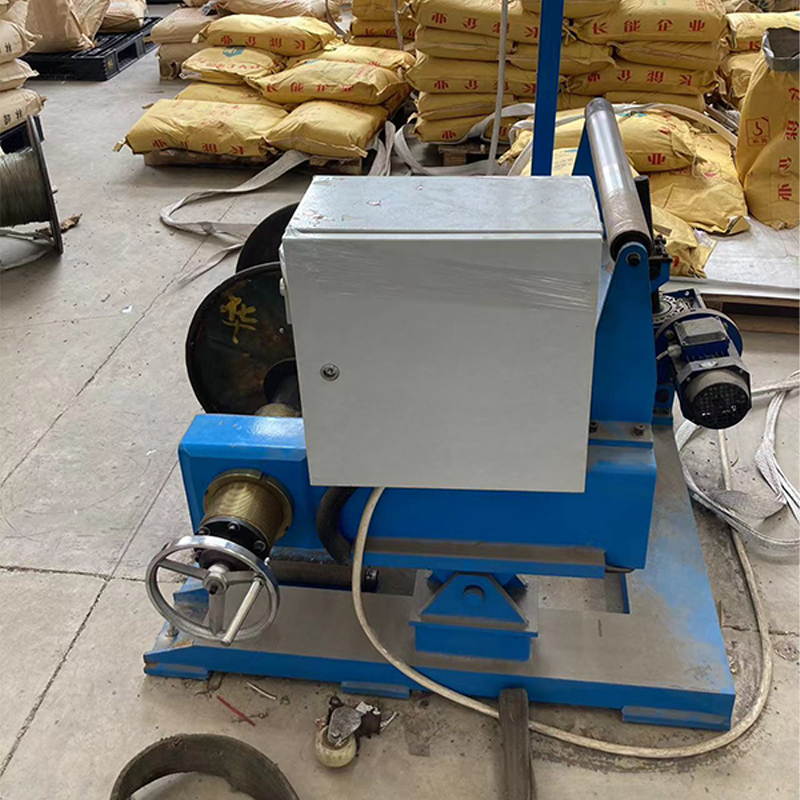
1. Pay-off stand: Pays out the copper wire for coating.
2. Straightening stand: Straightens the wire.
3. Extrusion machine: The main equipment for producing wires.
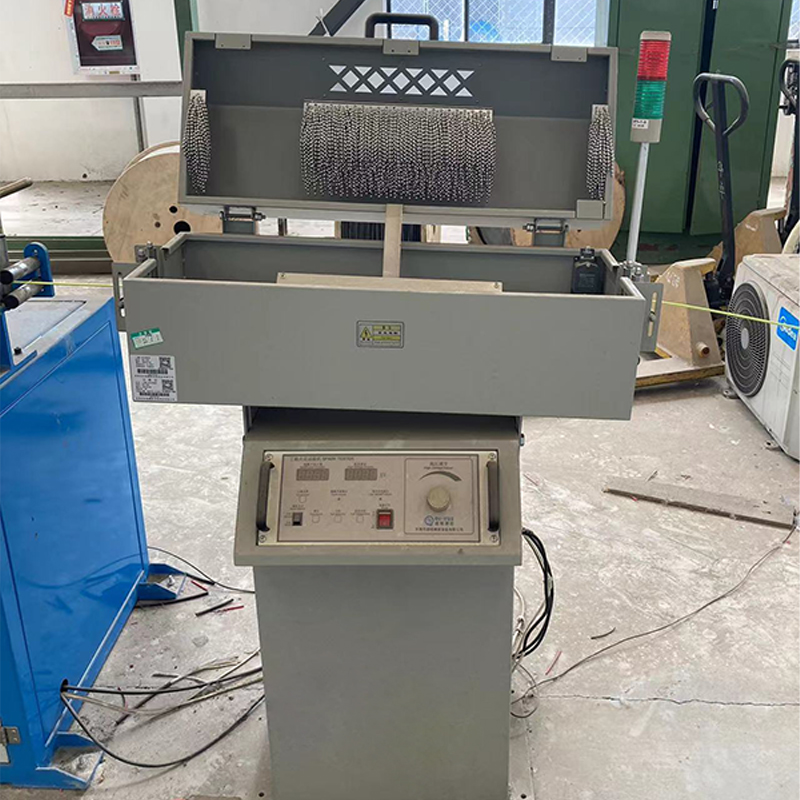
4. Main electrical control/operation box: Controls the production circuitry.
5. Outer diameter measuring instrument: Measures and controls the wire diameter.
6. Pre-cooling water tank: Provides initial cooling for freshly extruded, high-temperature products.
7. Ink printing machine: Prints standard model numbers, dates, etc., on the wires.
8. Main cooling single-layer water tank: Cools the extruded wires to prevent them from sticking together.
9. Dual-wheel take-up machine: Clamps and extracts the material at high speed through the coordinated work of the drive and driven wheels.
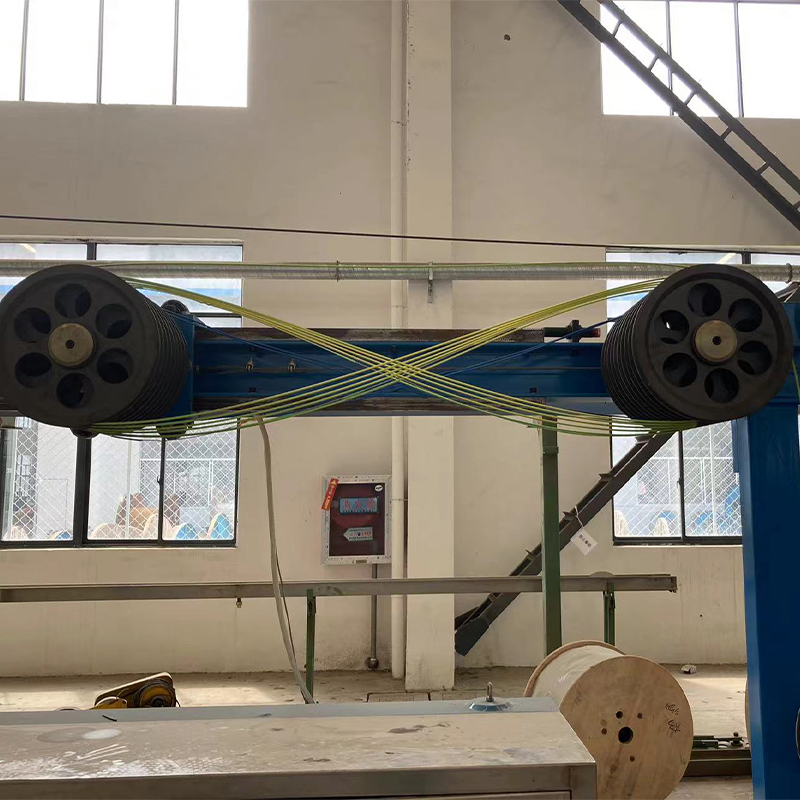
10. Winding and storage rack: Functions the same as the vertical storage rack.
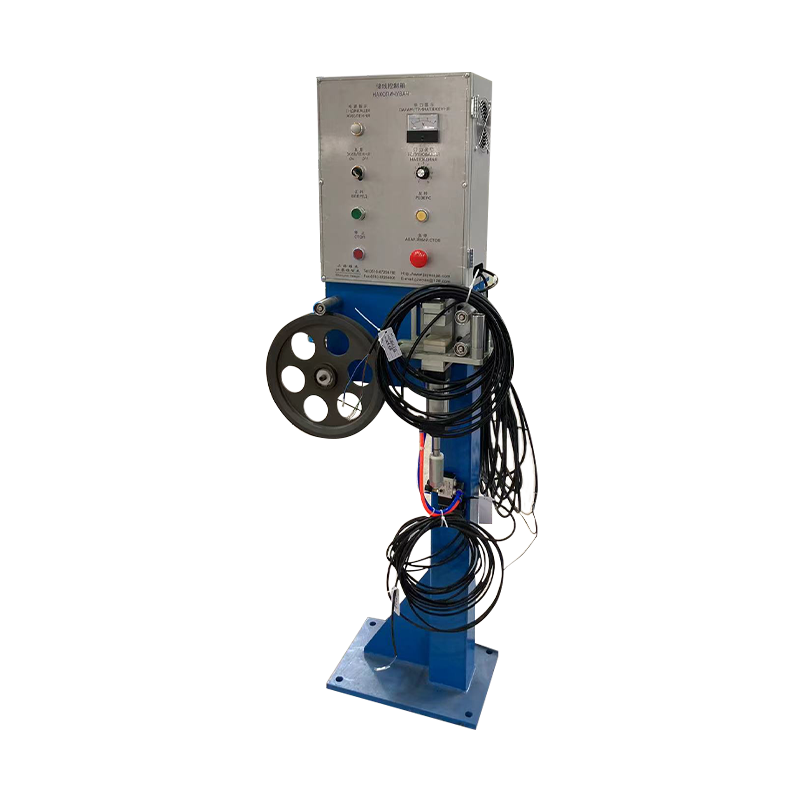
11. Tension control rack: Controls tension.
12. Dual-axis take-up machine: Takes the wires into the cable reel.
- Technical Parameters
- Contact Us
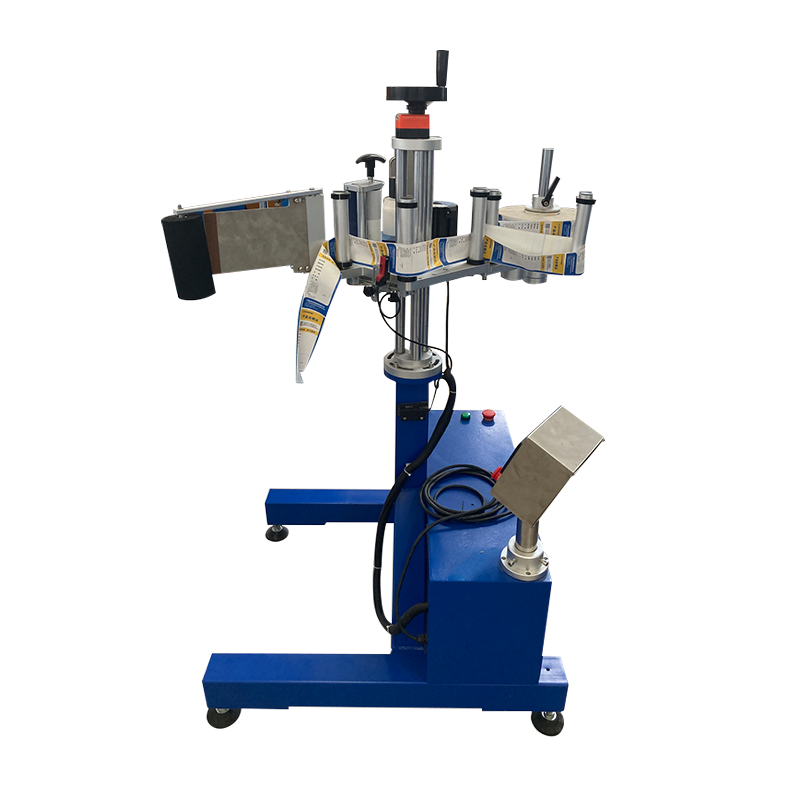
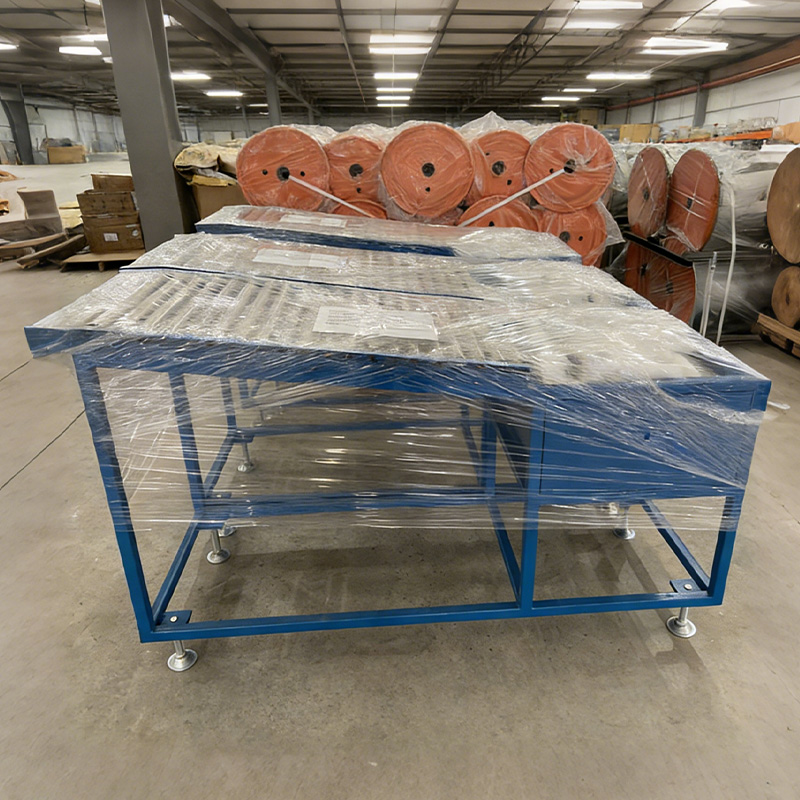
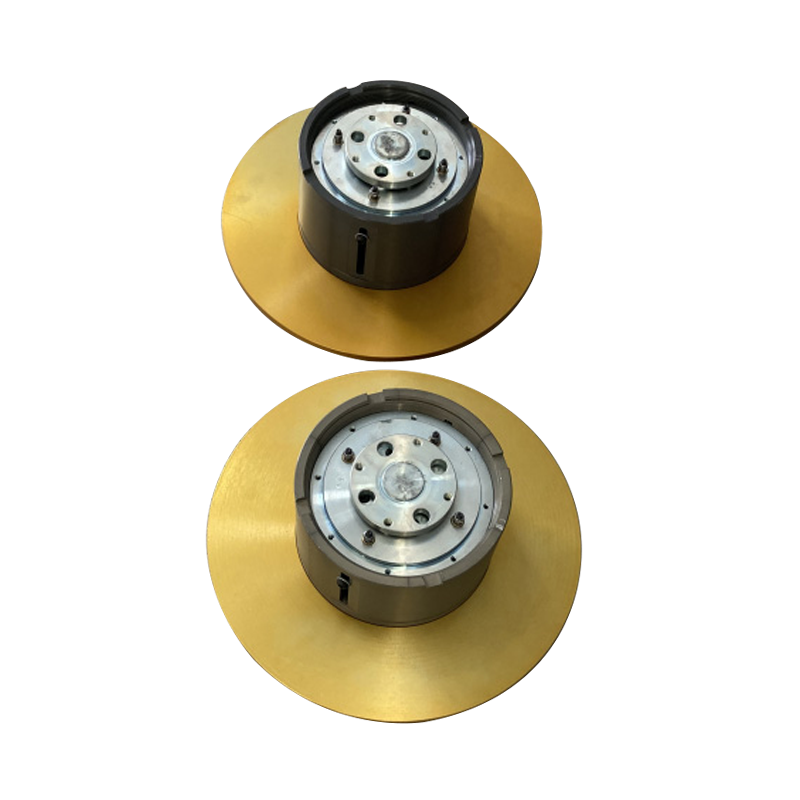
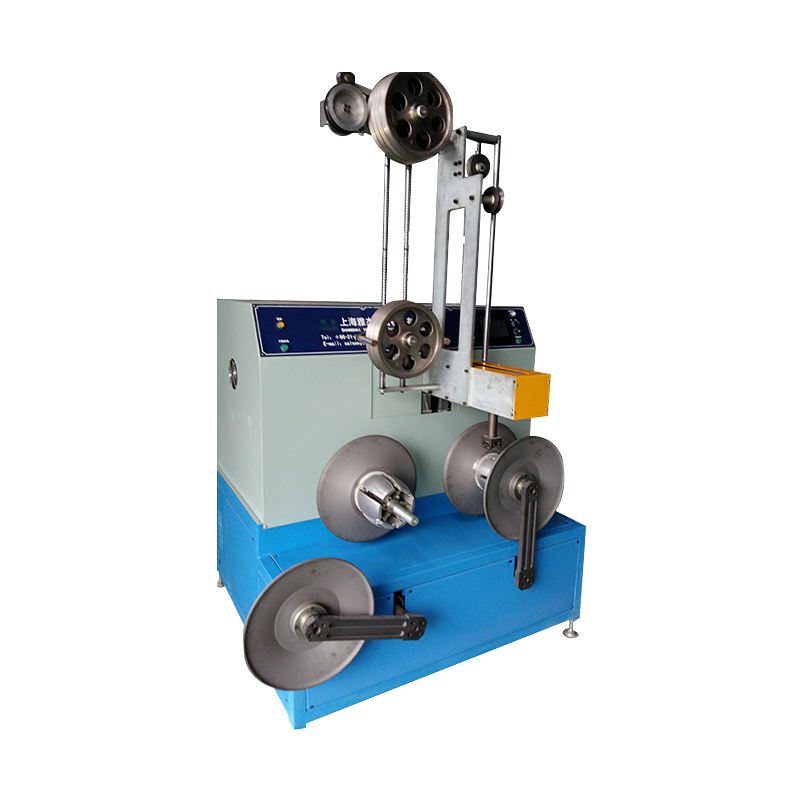
Shanghai Yessjet Precise Machinery Co., Ltd.
Precision Machinery, Intelligent Solutions Powering Cable Production Worldwide
Shanghai Yessjet Precise Machinery Co., Ltd. was established in Shanghai with investment from
Taiwan
in 2002 as a professional manufacturer dedicated to the research and development of wire and cable
machinery.
In 2017, to expand the company's scale, Jiangsu Yessjet Precise Machinery Co., Ltd. was established with
investment
in Yixing, Wuxi, Jiangsu.
We specialize in designing and manufacturing high-performance production systems — from extrusion lines and automatic coiling machines to robotic palletizing solutions — helping customers achieve efficiency, flexibility, and sustainable growth. As Cable Extrusion Line Manufacturers and Wire And Cable Extrusion Line Factory, we provide professional on-site installation and system commissioning services to ensure rapid equipment startup and stable operation. We also conduct operator training to guarantee efficient production line launch. Custom Wire And Cable Extrusion Line. For existing production lines, we offer customized retrofit solutions. Through partial upgrades or automated integration, we help clients enhance production capacity, precision, and intelligent capabilities to maximize return on investment.
View
More
We specialize in designing and manufacturing high-performance production systems — from extrusion lines and automatic coiling machines to robotic palletizing solutions — helping customers achieve efficiency, flexibility, and sustainable growth. As Cable Extrusion Line Manufacturers and Wire And Cable Extrusion Line Factory, we provide professional on-site installation and system commissioning services to ensure rapid equipment startup and stable operation. We also conduct operator training to guarantee efficient production line launch. Custom Wire And Cable Extrusion Line. For existing production lines, we offer customized retrofit solutions. Through partial upgrades or automated integration, we help clients enhance production capacity, precision, and intelligent capabilities to maximize return on investment.
YESSJET
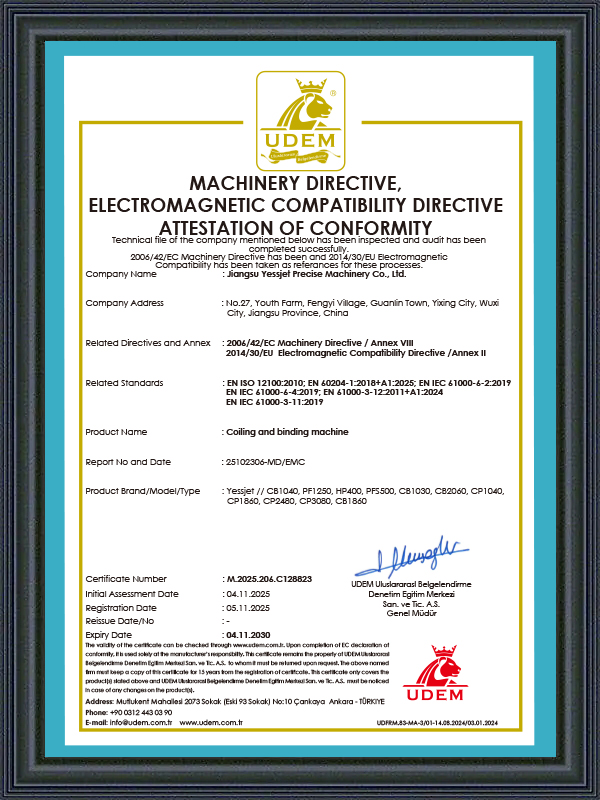
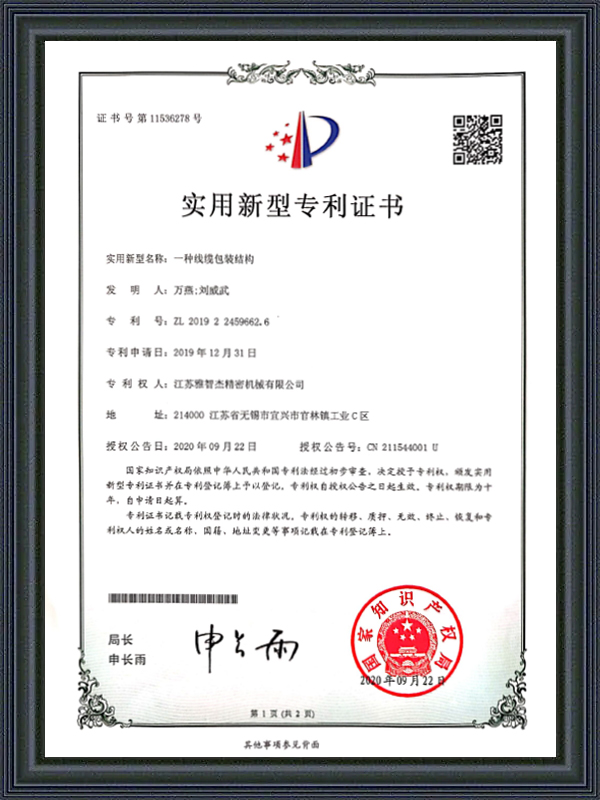
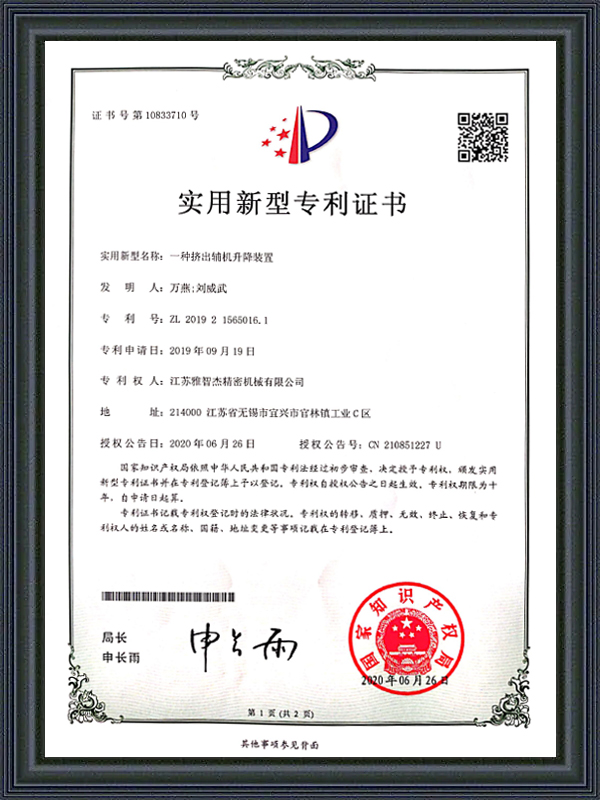
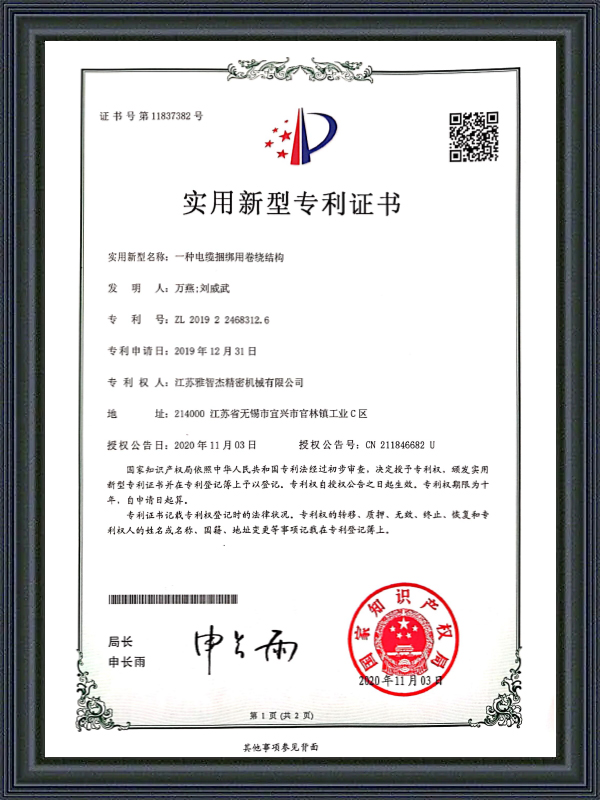
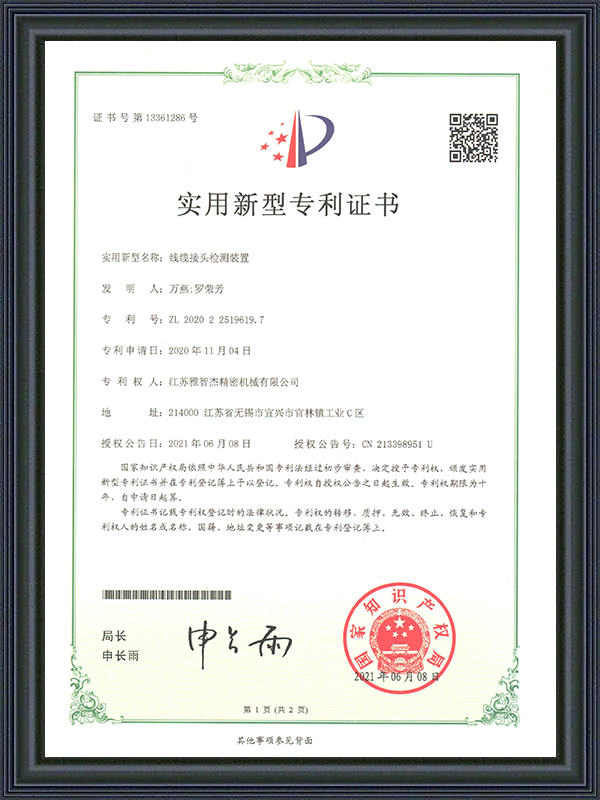
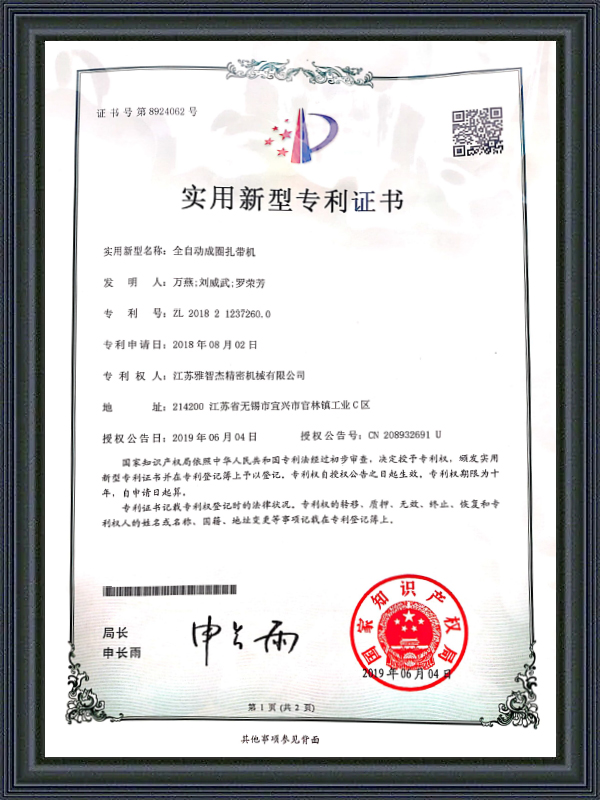
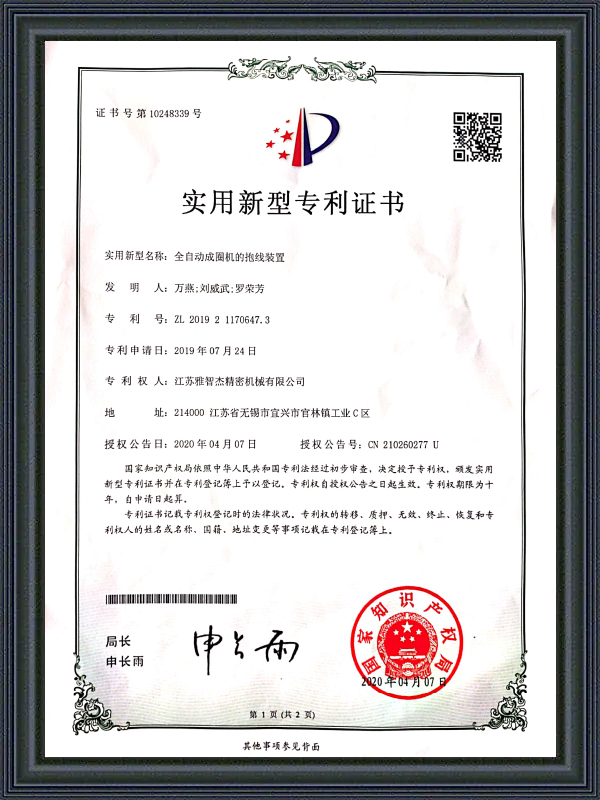
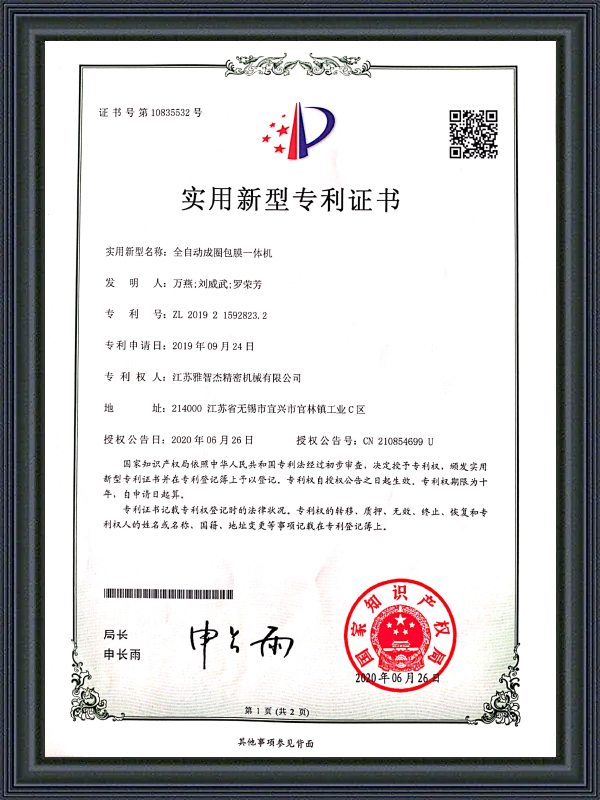
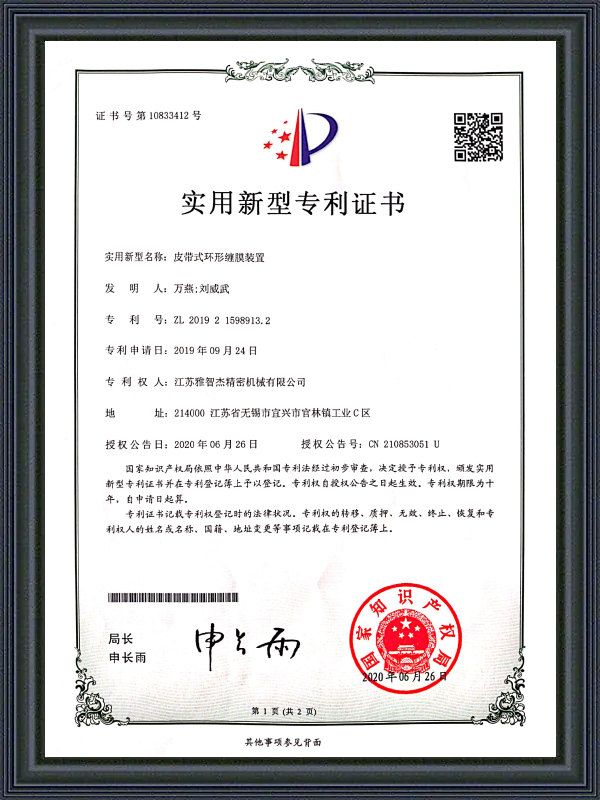
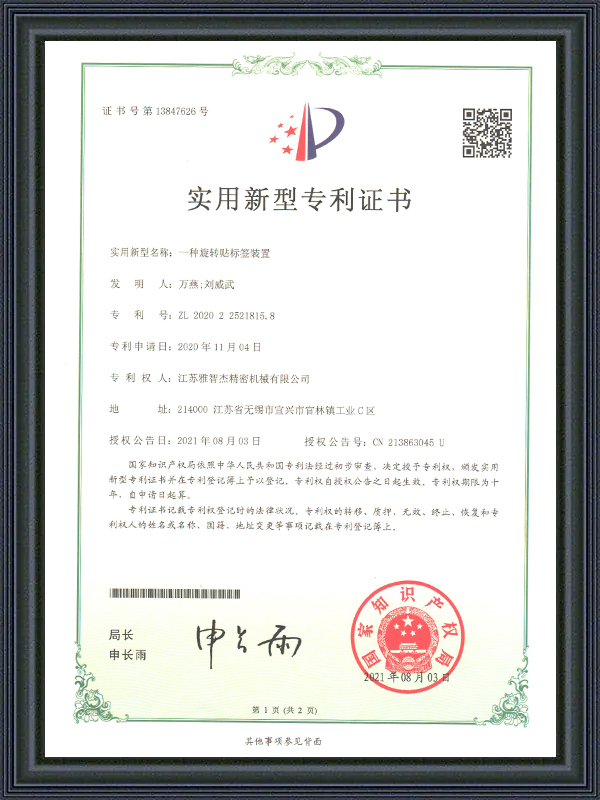
Honorary Certification
CERTIFICATE
Latest Updates
What'S News
-
Extrusion Screw Compression Ratio: How to Match It to Your Cable CompoundA cable plant replacing the screw on a rigid PVC insulation line once ordered a 4.0 compression ratio, on the reasonable-sounding logic that more compression means better melting. Within three shifts the extruder was surging, melt temperature had climbed by roughly 18 °C, and scorched specks were r...
-
Shanghai Yessjet Showcases Cable Extrusion and Packing Solutions at wire China 2026, Booth E2F63Shanghai Yessjet Precise Machinery Co., Ltd. is exhibiting at wire China 2026, the China International Wire & Cable Industry Trade Fair, from September 21 to 24 at the Shanghai New International Expo Centre (SNIEC). Our team is at Booth E2F63, where visitors can see how a wire and cable line can...
-
Extrusion Process Control: How Temperature, Tension and Line Speed InteractA 70 mm PVC insulation line running at 300 m/min produces roughly 36 km of insulated core in a two-hour window. If the finished diameter drifts 0.05 mm outside the customer's tolerance for ten minutes of that window, several kilometres of core become scrap, the take-up spool has to be reworked, and...
Industry Knowledge
How Screw Design Affects Output Quality in a Wire And Cable Extrusion Line
The extruder screw is the heart of any Wire And Cable Extrusion Line, yet its geometry is often treated as a fixed parameter rather than a tunable variable. In practice, screw design — including L/D ratio, compression ratio, flight pitch, and barrier zone configuration — directly determines melt homogeneity, output rate, and insulation wall thickness consistency. A screw designed for PVC compounds, for example, will produce noticeably different melt temperatures and shear rates when running XLPE or TPE, even at identical RPM settings. Understanding these relationships allows production engineers to make informed decisions about screw selection rather than defaulting to whatever came with the machine.
The L/D ratio (length-to-diameter) is the most commonly cited screw parameter. Higher L/D ratios — typically 25:1 to 30:1 for cable insulation applications — provide more residence time for the polymer melt, improving mixing and thermal uniformity. However, longer screws also increase shear heat input, which can be problematic for heat-sensitive compounds like LSZH (Low Smoke Zero Halogen) materials. In these cases, a barrier screw design with a dedicated mixing section near the metering zone offers a better solution: it separates solid and melt phases earlier in the barrel, reducing unmelted pellet contamination without excessive shear.
Shanghai Yessjet Precise Machinery Co., Ltd. configures screw geometry based on the specific compound family and target output range for each customer's Cable Extrusion Line. Rather than supplying a universal screw, the engineering team evaluates polymer viscosity curves, processing temperature windows, and line speed requirements before specifying the compression ratio and flight geometry. This approach eliminates a common source of wall thickness variation that operators often misattribute to die centering or tension control issues.
Temperature Profiling Across Barrel Zones: Why More Zones Mean More Control
Modern Cable Extrusion Line configurations typically divide the extruder barrel into five to eight independently controlled heating zones, plus separate die and crosshead zones. The purpose of this segmentation is not merely to heat the polymer to a target melt temperature — it is to manage the thermal gradient along the entire plastication path so that the melt arrives at the die in a consistent, bubble-free state at the correct viscosity for the target wall thickness and line speed.
A common misconception is that all barrel zones should run at similar temperatures, with only modest increases toward the die. In practice, the optimal profile is highly material-dependent. For semi-crystalline polymers like HDPE, a rising profile — cooler feed zone, progressively hotter metering zone — promotes gradual melting and reduces the risk of premature melting that blocks the feed. For amorphous materials like rigid PVC, a flatter profile with a slight dip in the metering zone prevents degradation from excessive shear heat accumulation. Getting this profile wrong generates micro-gel inclusions or surface defects that only become apparent during spark testing or during the customer's end-use testing.
Common Temperature Profile Strategies by Material
| Material | Feed Zone | Compression Zone | Metering Zone | Die Zone |
| HDPE | 160–175°C | 190–200°C | 210–220°C | 215–225°C |
| PVC (Flexible) | 150–160°C | 165–175°C | 170–180°C | 175–185°C |
| XLPE | 100–115°C | 120–130°C | 125–135°C | 130–140°C |
| LSZH | 155–165°C | 170–180°C | 175–185°C | 180–190°C |
These profiles serve as starting references, not fixed recipes. Real-world optimization requires melt pressure gauges at the die inlet and an infrared melt thermometer to validate actual melt temperature independent of barrel zone setpoints — a distinction that matters significantly when running high-speed lines above 200 m/min.
Caterpillar Haul-Off Tension Control and Its Impact on Conductor Elongation
In a Wire And Cable Extrusion Line, the caterpillar haul-off unit does more than simply pull the finished cable at a set speed — it is the primary mechanism by which insulation wall thickness is regulated in real time. The relationship between haul-off speed and extruder output rate determines the draw-down ratio, which in turn governs how much the extrudate stretches between the die exit and the point of solidification. Even a 1–2% speed variation in the haul-off can shift the nominal wall thickness outside the tolerance band specified by standards such as IEC 60227 or UL 83.
A less discussed consequence of haul-off tension is its effect on the conductor itself. When tension is excessive — typically caused by caterpillar belt pressure set too high or by a mismatch between haul-off speed and the pay-off let-off tension — the conductor undergoes permanent elongation. In stranded conductors, this elongation compresses the lay length of individual wires, altering the conductor's DC resistance per unit length and potentially pushing it out of compliance on resistance per kilometer measurements. The effect is particularly pronounced on fine-wire constructions below 0.5 mm² where strand tensile strength margins are smaller.
Proper caterpillar configuration requires matching belt contact length and pressure to the cable outer diameter and jacket compound stiffness. Softer compounds like silicone or flexible TPU require lower belt clamping force and wider belt pads to avoid surface marking. The control system should integrate dancer roll position feedback from both the pay-off and the take-up to maintain a stable tension window throughout the entire run, including during the acceleration and deceleration phases at startup and shutdown.
Retrofitting Legacy Lines: What Can and Cannot Be Upgraded
Many cable manufacturers operate Wire And Cable Extrusion Line equipment that is 15–25 years old — mechanically sound but limited by outdated control architectures, analog temperature controllers, and relay-based sequence logic that prevents integration with modern MES or data collection systems. A full line replacement is not always the most economical path. Targeted retrofits can recover 70–85% of a new line's capability at 30–50% of the capital cost, provided the mechanical condition of the extruder barrel, screw, and gearbox meets minimum wear thresholds.
Retrofit Priority Assessment
- High-value upgrades: PLC replacement with modern Siemens S7 or Allen-Bradley ControlLogix platforms, touchscreen HMI with recipe management, closed-loop diameter control using laser gauges, and servo-driven haul-off with tension feedback
- Medium-value upgrades: Replacing analog barrel zone controllers with digital PID units featuring auto-tuning, upgrading drive inverters to current-generation variable frequency drives with energy recovery braking
- Lower-value unless faulty: Replacing mechanically sound gearboxes, extruder barrels with less than 40% wear on liner-to-screw clearance, or cooling trough structures that are corrosion-free
- Not retrofit-compatible: Extruder frames with frame distortion exceeding alignment tolerances, crossheads with stripped thread forms on centering bolts, or feed hoppers with internal wear that creates segregation of compound blends
Shanghai Yessjet Precise Machinery Co., Ltd. has developed a structured retrofit evaluation process for customers operating aging Cable Extrusion Line equipment. The assessment covers screw and barrel wear measurement via borescope, gearbox backlash testing, thermal imaging of barrel heater performance, and a control system audit to identify obsolete components with no available spare parts. This diagnostic step prevents customers from investing in control upgrades on mechanical platforms that will require full replacement within three to five years regardless.
Closed-Loop Diameter Control: How It Works and Where Its Limits Are
Laser diameter gauges positioned immediately after the cooling trough are now standard on most new Cable Extrusion Line installations. The gauge measures outer diameter continuously — typically at scan rates of 500 to 2,000 Hz — and feeds the measurement back to the line speed controller or the extruder screw speed drive to correct deviations from the target diameter in real time. On well-tuned systems, this closed-loop architecture can maintain diameter tolerance to within ±0.02 mm on lines running at 100–150 m/min, which satisfies the requirements of most IEC and UL wire standards without requiring operator intervention during steady-state production.
However, closed-loop diameter control has important limitations that are not always communicated clearly by equipment suppliers. The gauge measures the outer jacket diameter — it cannot directly detect wall thickness eccentricity, which requires either an ultrasonic wall thickness gauge or a capacitance-based eccentricity monitor positioned in the water trough. A cable can measure perfectly on outer diameter while running with 30–40% eccentricity if die centering drifts during a long run due to thermal expansion of the crosshead body. Relying solely on the diameter gauge for process control will pass outer diameter checks while generating material that fails on minimum wall thickness at the thinnest point.
Additionally, the feedback loop response time is constrained by the distance between the die exit and the gauge location. On lines with long cooling troughs — necessary for large conductor cables where the polymer needs extended cooling length — this transport delay can be 15 to 40 seconds at typical line speeds. During this delay, a process disturbance (a surge in melt pressure from a partially blocked screen pack, for example) has already produced 25 to 60 meters of out-of-tolerance cable before the control system responds. Understanding this lag and setting appropriate deadband parameters in the control algorithm is essential to prevent overcorrection oscillation, which is often more damaging to product consistency than the original disturbance.
Automatic Coiling and Robotic Palletizing: Integration Considerations for End-of-Line Automation
End-of-line automation — encompassing automatic coiling machines, strapping or taping stations, and robotic palletizing systems — is often planned as a future addition during initial Wire And Cable Extrusion Line commissioning, then deferred indefinitely due to capital constraints or integration complexity. The consequence is that manual coiling and palletizing become the production bottleneck, limiting line speed not by the extruder's output capacity but by the physical rate at which operators can handle finished coils. On lines producing small-gauge building wire at speeds above 300 m/min, manual coiling is simply not viable — the coil changeover cycle cannot keep pace with production output.
Integrating automatic coilers into an existing line requires attention to several parameters that are set at the extruder control level: accurate meter counting from the haul-off encoder, a reliable cut signal to the flying knife or rotary cutter, and a coil transfer sequence that does not allow cable slack to accumulate between the cutter and the new coil core. If the extruder line PLC was not designed with these handshake signals in mind, retrofitting automatic coilers can require significant control system rework beyond simply installing the coiler hardware.
Shanghai Yessjet Precise Machinery Co., Ltd. designs Wire And Cable Extrusion Line control architectures with end-of-line automation integration as a planned capability from the initial build, even when the customer is not immediately purchasing the coiling and palletizing equipment. Spare I/O capacity, pre-wired terminal blocks for coiler communication, and documented signal maps are included in the standard commissioning package — allowing customers to add robotic palletizing or automatic coiling later without returning to the factory for a control system redesign. This forward-compatible approach significantly reduces the total investment required when production volumes eventually justify full end-of-line automation.
Quick Links

Product Categories
Contact Us
-
 sales@yessjet.com
-
 +86-0510-87258118
-
 +86-18888031330
-
 No. 27, Youth Farm, Fengyi Village, Guanlin Town, Yixing City, Jiangsu Province China.
Copyright © Shanghai Yessjet Precise Machinery Co., Ltd. Rights Reserved. Custom Wire And Cable Extrusion Line Suppliers
