LANGUAGE
 中文简体
中文简体 русский
 Français
 Español
 Português
 عربى
عربى
Content
Understanding the Role of Cross Winders in Network Cabling
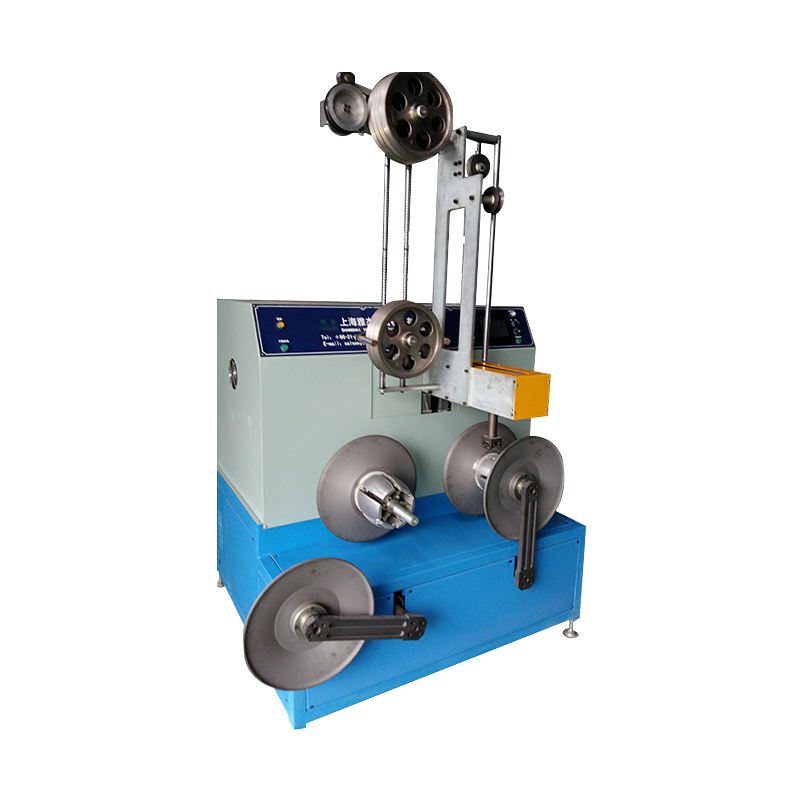
A cross winder for LAN cable is a specialized tool or mechanism designed to manage, organize, and store Ethernet cables efficiently. In professional networking environments, maintaining cable integrity and organization is critical for signal performance and troubleshooting speed. Cross winders prevent the common issues of tangling, kinking, and excessive bending that can degrade Cat5e, Cat6, or Cat7 cable performance.
These devices are particularly valuable during installation phases where long runs of cable must be deployed from spools or when retracting unused lengths. By ensuring cables are wound in a controlled, cross-patterned manner, these tools minimize stress on the copper pairs inside the jacket, preserving the twist rate essential for reducing electromagnetic interference (EMI).
Key Benefits of Using Cross Winders for LAN Cables
Implementing a cross winder system offers tangible advantages for both residential DIY enthusiasts and enterprise-level network technicians. The primary benefit is the preservation of cable quality. Ethernet cables rely on precise twisting of wire pairs; improper handling can untwist these pairs, leading to crosstalk and reduced data throughput.
Enhanced Cable Longevity
- Prevents sharp bends that exceed the minimum bend radius specifications.
- Reduces physical strain on connectors during deployment and retraction.
- Minimizes jacket abrasion caused by friction against rough surfaces.
Improved Workflow Efficiency
Technicians often report a 30-50% reduction in setup time when using organized winding systems compared to manual coiling. Untangling knots can consume significant labor hours, especially in large-scale deployments involving hundreds of cable runs. A cross winder ensures that cables deploy smoothly without snags, allowing for faster pull-throughs in conduits or ceiling spaces.
Types of Cross Winders and Their Applications
Not all cross winders are created equal. The choice of device depends on the volume of cabling work and the specific environment. Understanding the different types helps in selecting the right tool for the job.
| Type | Best For | Key Feature |
|---|---|---|
| Manual Hand Crank | Small jobs, repairs | Portable, low cost |
| Motorized Spool Winder | Large installations | High speed, consistent tension |
| Figure-8 Winder | Temporary event setups | Prevents twisting entirely |
For standard structured cabling in offices, the manual hand crank or stand-mounted winder is most common. It allows for precise control over tension, which is crucial for delicate Cat6a cables. In contrast, figure-8 winders are often used for audio/video but can be adapted for short LAN patch cables where twist preservation is less critical than tangle prevention.
Best Practices for Winding LAN Cables
Using a cross winder effectively requires adherence to industry best practices. Improper technique can negate the benefits of the tool itself. Here are the critical steps to ensure optimal results.
Maintain Proper Tension
Cables should be wound with consistent, moderate tension. Too loose, and the cable may slip off the spool or become tangled; too tight, and you risk stretching the copper conductors or deforming the jacket. Most professional cross winders have adjustable tension settings to accommodate different cable gauges.
Observe Bend Radius Limits
The Telecommunications Industry Association (TIA) specifies that the bend radius for twisted pair cables should not be less than four times the cable diameter for horizontal cables. When using a cross winder, ensure the spool diameter is large enough to meet this requirement. For a typical Cat6 cable with a diameter of 6mm, the minimum bend radius is 24mm.
- Inspect the cable for existing damage before winding.
- Secure the starting end of the cable to the spool using a Velcro strap or clip.
- Wind evenly across the width of the spool to avoid buildup on one side.
- Label both ends of the cable before winding to maintain identification.
Selecting the Right Cross Winder for Your Needs
Choosing the appropriate cross winder involves evaluating several factors related to your specific networking tasks. Consider the volume of cable you typically handle, the category of cable (Cat5e vs. Cat6 vs. Fiber), and your budget.
For frequent users, investing in a durable, metal-framed winder with ball-bearing rotations is advisable. These models withstand the rigors of daily use and provide smoother operation. Plastic models may suffice for occasional home use but can crack under the weight of large 1000-foot spools. Additionally, look for winders with adjustable flanges to accommodate different spool sizes, ensuring versatility across various cable brands and lengths.
Ultimately, a well-chosen cross winder for LAN cable management is an investment in network reliability and technician productivity. By preventing damage and streamlining deployment, it pays for itself through reduced cable waste and labor costs.