LANGUAGE
 中文简体
中文简体 русский
 Français
 Español
 Português
 عربى
عربى
Content
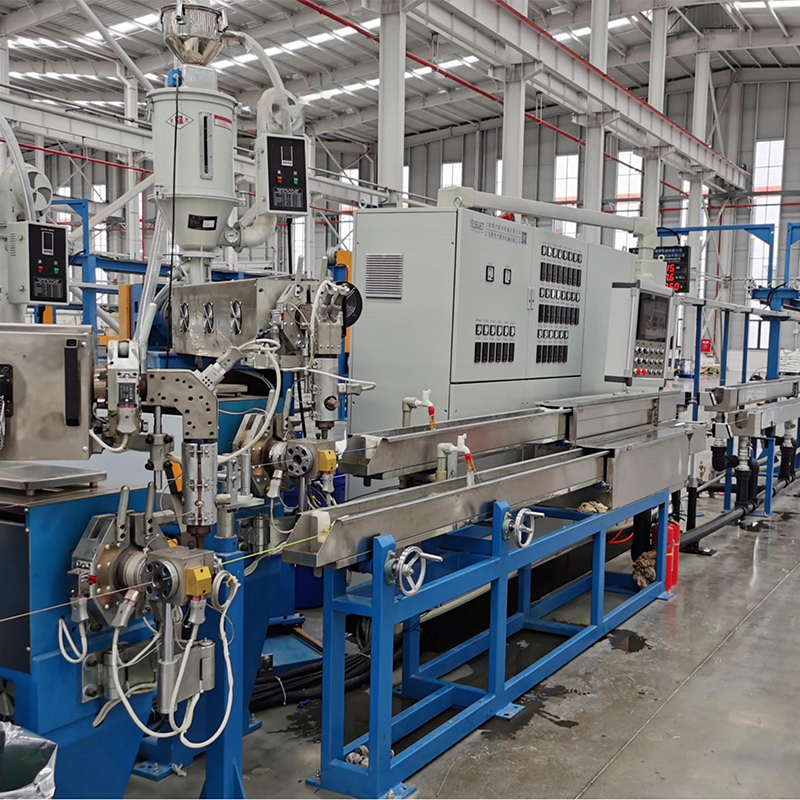
What is a Cable Coiling Head?
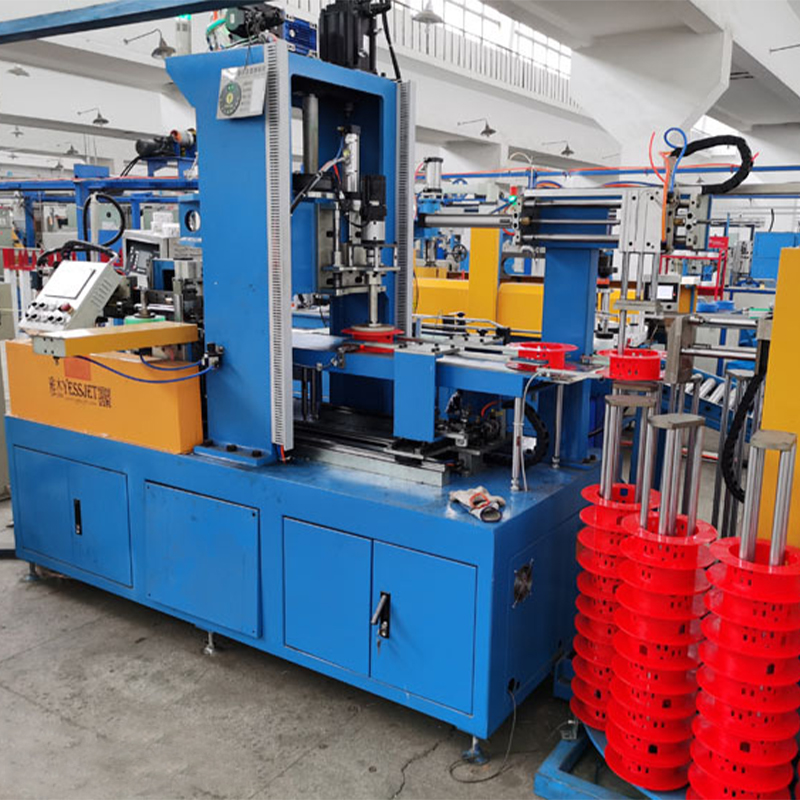
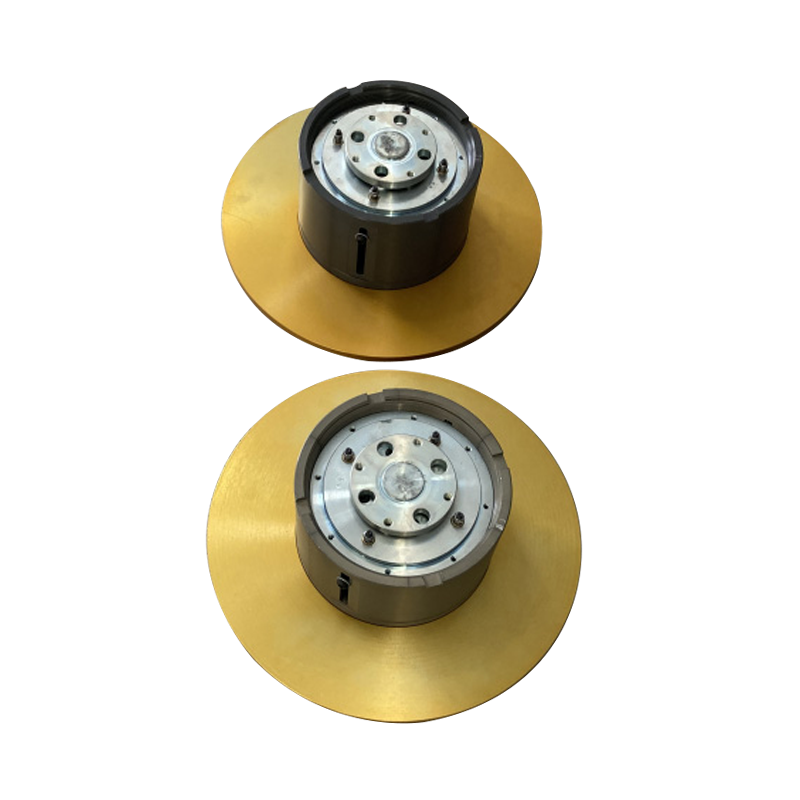
A cable coiling head is the core functional component of a coiling or spooling machine, directly responsible for guiding and forming cable into consistent coils or onto reels. Rather than being a complete standalone machine, it is typically a modular assembly mounted on a bench, frame, or integrated into a production line. Its primary purpose is to replace manual labor with a mechanical process that ensures uniform coil diameters and lay lengths, which is critical for packaging, downstream processing, and preventing material damage.
The mechanism works by feeding cable through a rotating head or around a stationary forming die, controlled by precision guides. This action eliminates the tangles and inconsistent tension common in hand-coiling, directly addressing the need for speed and repeatability. In modern manufacturing, these heads are often paired with programmable logic controllers (PLCs) to handle complex coil patterns and automatically cut cables to length, transforming a simple rotary motion into a fully optimized finishing step.
Key Types of Cable Coiling Heads
The design of a coiling head varies significantly based on the production volume, cable characteristics, and the desired final coil format. Selecting the wrong type can lead to material deformation or bottlenecks. The three fundamental categories are defined by their drive mechanism and method of material engagement.
Manual Tensioning Heads
These are the simplest form, typically found on low-volume, benchtop winders used for light-duty wire, twine, or rope. The head usually consists of a fixed central mandrel and an adjustable tension arm with a guide pulley. An operator mounts a coil bobbin, feeds the material through the guide, and physically controls the lay. While lacking automation, a well-designed manual head uses spring-loaded friction brakes to maintain back tension, preventing the coil from springing loose. They remain highly relevant for prototyping labs, custom cable houses, and repair stations where changeover flexibility outweighs raw speed.
Pneumatic Expanding Mandrel Heads
For mid to high-volume production of finished coils without a spool, the pneumatic expanding mandrel is the industry standard. The head features a segmented metal core that contracts for easy coil removal and expands outward using compressed air to grip the inner diameter of the coil during winding. A traverse guide synchronizes with the head rotation to layer the cable evenly. For instance, a typical setup producing a 200mm diameter coil of CAT6 network cable will use this head to achieve a tight, stable bundle in under 10 seconds, a speed impossible to match manually. The quick-release function makes it perfect for automated cut-to-length and coiling systems.
Driven Roller Coiling Heads
When dealing with heavy, stiff, or large-diameter industrial cables—such as mining cables, welding wire, or subsea umbilicals—driven roller heads dominate. Instead of rotating an inner core, these heads use powered pinch rollers to grip and push the cable into a circular forming ring. This approach avoids the tight bend radius limitations of a mandrel. A notable example is the coiling of 50mm diameter armored cable, where a roller head can form a 1.5-meter diameter service loop using multiple synchronized drive rollers that control the pay-off speed and coil circumference with high torque. This method prevents insulation cracking that would occur if wound around a small central core.
Advantages of Automated Coiling Heads
Upgrading from manual or improvised coiling methods to a dedicated coiling head yields measurable impacts in productivity and product quality. The return on investment is driven by several factors that directly affect the cost-per-unit of finished cable products.
First, cycle time reduction is dramatic. A comparative time study in wire harness assembly showed that coiling a 5-meter HDMI cable into a spiral wrap takes a skilled operator approximately 45 seconds by hand, while a pneumatic mandrel head completes the same coil in 8 seconds. This represents an over 80% time saving per unit.
Second, material waste drops significantly. Manual coiling often introduces kinks or twists that damage the cable jacket or internal conductors, especially in sensitive fiber optic or coaxial cables. A programmed head with a zero-twist pay-off maintains the cable's natural lay, virtually eliminating scrap from coiling damage. One cable assembly plant reported a reduction in jacket damage-related rejects from 3.2% to 0.1% after installing servo-controlled coiling heads.
Additionally, downstream packaging efficiency improves. Coils produced by automated heads are geometrically consistent, allowing for the use of tight-fitting, standard-sized bags and boxes. This not only speeds up packaging but also reduces freight costs by maximizing container density, as there is no wasted space from irregularly shaped bundles.
Selection Criteria for a Cable Coiling Head
Choosing the correct coiling head requires analyzing the physical properties of your cable and the operational demands of your process. A mismatch can cause immediate machine failure or gradual, costly wear on both cable and equipment. The following table summarizes the primary technical considerations.
| Selection Factor | Critical Specification | Impact if Ignored |
|---|---|---|
| Cable Outer Diameter (OD) | Minimum and maximum grip range of mandrel or roller throat | Slippage or crushing of cable insulation |
| Bend Radius | Coil inner diameter formed by head | Internal conductor breakage, kinked jacket |
| Cable Stiffness & Weight | Drive motor torque and roller traction surface | Inability to feed cable, motor stall |
| Cycle Speed | Max RPM of head and traverse response rate | Production bottlenecks, uneven winding layers |
| Changeover Frequency | Tool-less adjustment features, quick-release mechanisms | Excessive downtime between product batches |
Prioritize the bend radius above almost all other physical attributes. The coil inner diameter produced by the head must exceed the cable's specified minimum bend radius, typically by a safety factor of 1.5 to 2 times. For continuous-flex or robotic cables, this is non-negotiable, as tight coiling will permanently damage the finely stranded conductors and pressure-extruded jackets designed for dynamic movement.
The interface with the cable feed is equally critical. If the head is part of an inline extrusion or cutting line, the traverse mechanism must be electronically geared to the line speed to avoid stretching or bunching. A mismatch in these proportional-integral-derivative (PID) control settings results in a defect known as 'scalloping' where the coil layers are visibly uneven, leading to unstable package integrity.
Maintenance and Throughput Optimization
Sustaining the performance of a coiling head, especially in continuous 24/7 operations, demands a structured preventive maintenance schedule. The mechanisms directly contact the cable, accumulating jacket debris, dust, and lubricant residue that can degrade performance and mar finished surfaces.
Implement a daily check of the guide rollers or forming dies for fretting corrosion—a wear phenomenon visible as red or black oxide staining around the bearings. Fretting indicates micro-motion and impending bearing failure, which causes inconsistent cable lay. A practical approach is to run a test coil with a precisely measured length of scrap cable at the start of each shift, verifying the physical coil dimensions with a go/no-go gauge to detect wear before it impacts production quality.
For pneumatic mandrel heads, air cylinder seal integrity is paramount. Even a minor leak causes the expansion segments to not fully engage the coil inner diameter, leading to a condition where the winding literally spins on the core, creating a loose, unusable 'bird's nest' coil. Using a calibrated inline flow meter to monitor air consumption per cycle can automatically alert maintenance to degrading seals before catastrophic coil failure occurs. Keeping a log of this data helps predict mean time between failures and schedule seal replacement during planned downtime.